
© Photo credit: Forces Armées Maliennes 2026
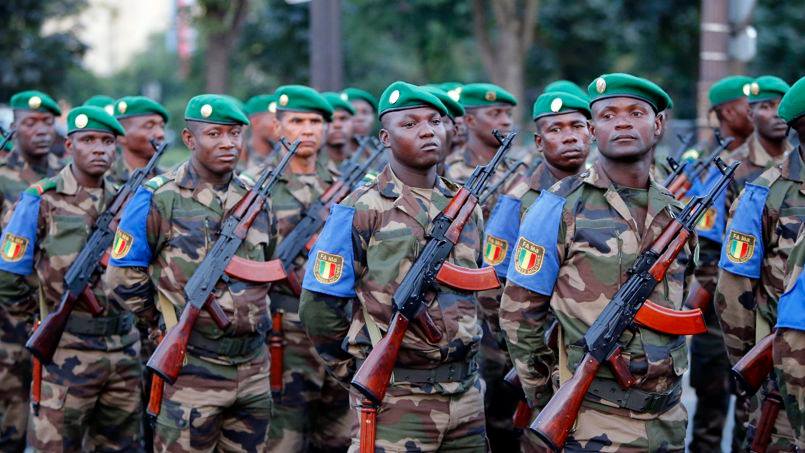
The Armed Forces of Mali were officially established on 1st October 1960, following the country’s independence from France. Since their creation, they have evolved into a multi-branch military organization composed of the Army, Air Force, National Guard, and Gendarmerie, each contributing to national defence and internal security.
The Malian Armed Forces are structured to address both conventional military threats and internal security challenges. The Army remains the primary component, responsible for ground operations and territorial defence. The Air Force provides aerial surveillance, transport, and limited combat capabilities, while the National Guard focuses on internal security and territorial administration. The Gendarmerie operates as a paramilitary force with policing responsibilities, particularly in rural areas.
Since their establishment, Malian forces have participated in several international peacekeeping missions, demonstrating their commitment to global security efforts. These include deployments to the Democratic Republic of the Congo under the ONUC (1960–1964) and later the MONUC (from 1999). Additional missions have taken place in Liberia (1990), Sierra Leone (1997), and the Central African Republic (2000).
The command structure of the Malian Armed Forces places the President of the Republic, currently Assimi Goïta, as Commander-in-Chief. He is supported by the Minister of Defence, while the operational leadership of the armed forces is entrusted to the Chief of the General Staff, General Oumar Diarra. The central administration of the Ministry of Defence includes several key bodies:
- The General Staff of the Armed Forces (EMGA)
- The Army Staff (EMAT)
- The Air Force Staff (EMAA)
- The National Guard Staff (GNM)
- The Directorate General of the National Gendarmerie (DGGN)
The Ministry of Defence and Veterans Affairs of Mali has taken a significant step toward modernizing its armed forces by introducing a standardized military correspondence manual. The initiative was presented during a high-level seminar held from 1 to 2 April 2026, gathering senior military officials and representatives from various staff branches, directorates, and services of the Malian Armed Forces (FAMa).
The seminar was presided over by Brigadier General Élisée Jean Dao, Deputy Chief of the General Staff of the Armed Forces, who emphasized the importance of clear, structured, and secure communication within a modern military organization. Military correspondence is widely regarded as a reflection of professionalism and procedural rigor within the armed forces. However, since independence, inconsistencies have emerged due to the influence of different training doctrines and administrative practices. To address these challenges, the seminar focused on the harmonization and standardization of administrative military communication across all levels of command. According to Brigadier General
Dao, the primary objective of the new manual is to ensure that orders, reports, and operational information are transmitted in a clear, concise, and precise manner. This will facilitate effective communication between both operational and institutional command structures, reducing the risk of misunderstandings and enhancing overall efficiency.
The Army of Mali operates under the motto “Discipline – Bravery – Patriotism”, reflecting its core values and commitment to national service. Guided by the principle “United and determined, standing on the ramparts and close to the people,” the Malian Army plays a central role in safeguarding the country’s sovereignty.
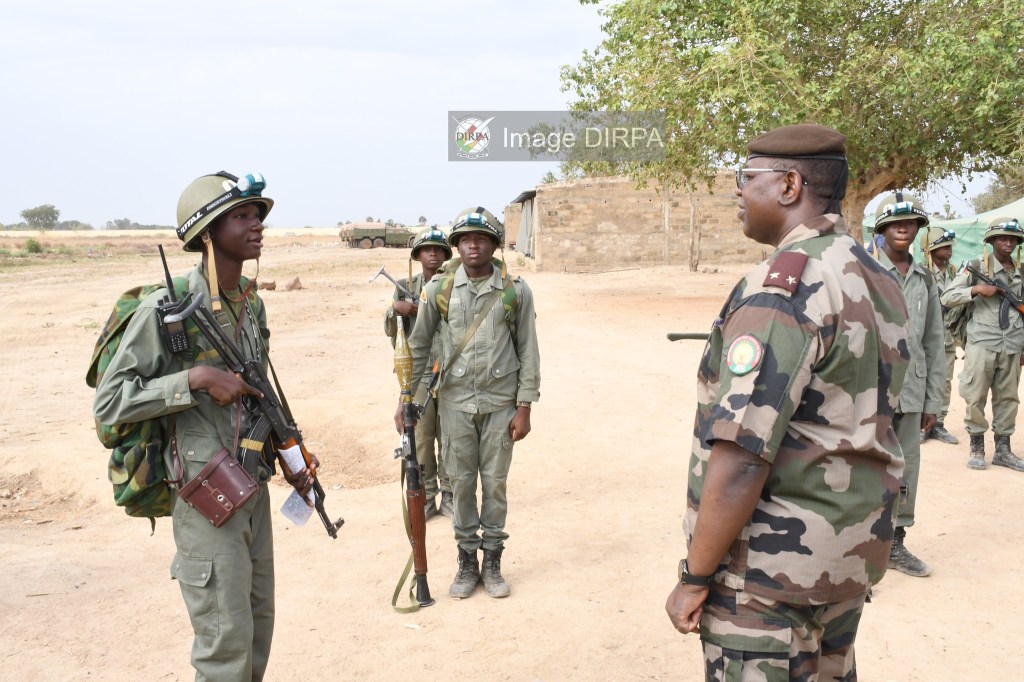
Established on 4 March 2019, the Army functions as a key component of the national defence system, working in close coordination with other branches of the Armed Forces. Its primary missions include the recruitment, organization, training, and preparation of land forces to ensure operational readiness. The Army is also tasked with preserving the territorial integrity of Mali and contributing to the operational defence of the national territory, particularly in the face of evolving security threats. Beyond its core military responsibilities, the Malian Army actively participates in peacekeeping operations and humanitarian assistance efforts, both domestically and internationally. These roles highlight its broader contribution to regional stability and crisis response. Through its structured command and continuous development, the Army remains a cornerstone of Mali’s defence strategy, ensuring security while supporting national resilience and international cooperation.
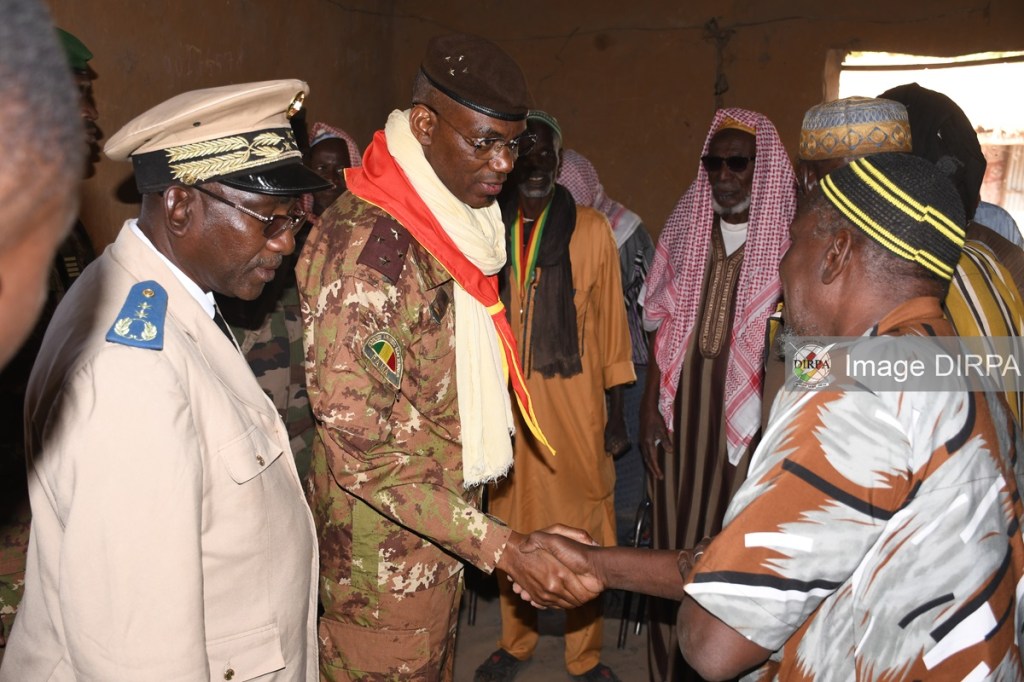
The Armed Forces of Mali have inaugurated a new military camp for the 44th Artillery Regiment in Diéma, marking a key step in strengthening national defence capabilities and territorial coverage. The inauguration ceremony, held on 13 March 2026, was led by Sadio Camara, Minister of State and Minister of Defence and Veterans Affairs, in the presence of Chief of the General Staff General Oumar Diarra. Local authorities and community leaders also attended, highlighting the strong connection between the armed forces and the population. The new camp is a modern military facility designed to enhance operational readiness and improve living and working conditions for personnel. It aims to reinforce the presence of Malian Defence and Security Forces in the region and strengthen their ability to respond rapidly to security threats. According to Minister Camara, the project forms part of a broader strategy to modernize Mali’s defence infrastructure and ensure the protection of citizens, as well as the free movement of people and goods. This development represents a significant step in consolidating Mali’s territorial security network and enhancing its overall defence posture.
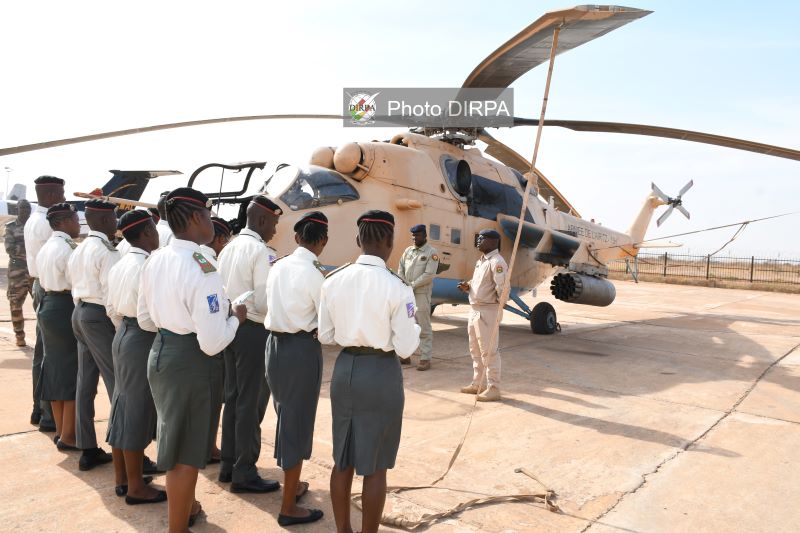
The Air Force of Mali traces its origins to the 1963 northern rebellion, when civilian aircraft were requisitioned to support military operations. This initial capability evolved into a formal military aviation branch in 1966 and was officially established as the Malian Air Force in 1976. Today, its core missions include safeguarding national airspace, supporting territorial defence, conducting search and rescue operations, and providing air transport and close air support. It also contributes to humanitarian missions and national development efforts, reinforcing its dual military and civil role in ensuring security and stability.
Historically, Mali was a major recipient of Soviet military assistance, with extensive arms deliveries throughout the 1970s and 1980s transforming it into one of the most capable armed forces in West Africa. During this period, Mali operated relatively advanced systems, including dedicated tank destroyers, S-125 Neva/Pechora surface-to-air missile systems, and MiG-21bis jet fighters, significantly enhancing its air defence and combat capabilities.
Mali is increasingly diversifying its defence partnerships, strengthening cooperation with China, Russia, and Turkey as part of a broader effort to modernize its armed forces and enhance operational autonomy. In recent years, these partnerships have contributed to the gradual improvement of Mali’s military capabilities through equipment acquisitions, training support, and technical cooperation. While China and Russia remain key suppliers of military hardware, Turkey has emerged as an important partner in areas such as unmanned systems, defence industry engagement, and professional military education.
This shift reflects a strategic reorientation following the withdrawal of Western forces in 2022, with Bamako seeking to reduce dependency on traditional partners and pursue a more diversified and sovereign defence policy. In parallel, Mali has increased its participation in international defence exhibitions and bilateral engagements, highlighting growing ties with non-Western defence industries. Cooperation frameworks also include training programmes and knowledge exchange aimed at strengthening operational effectiveness and institutional capacity. Although detailed aspects of specific acquisitions and programmes are not always publicly confirmed, the overall trajectory indicates a clear effort by Mali to build a more resilient and self-reliant defence posture, capable of addressing evolving security challenges across the Sahel region.
 DBDC INTERNATIONAL DEFENCE PUBLICATIONS & EVENTS UK LTD
Leave a comment