
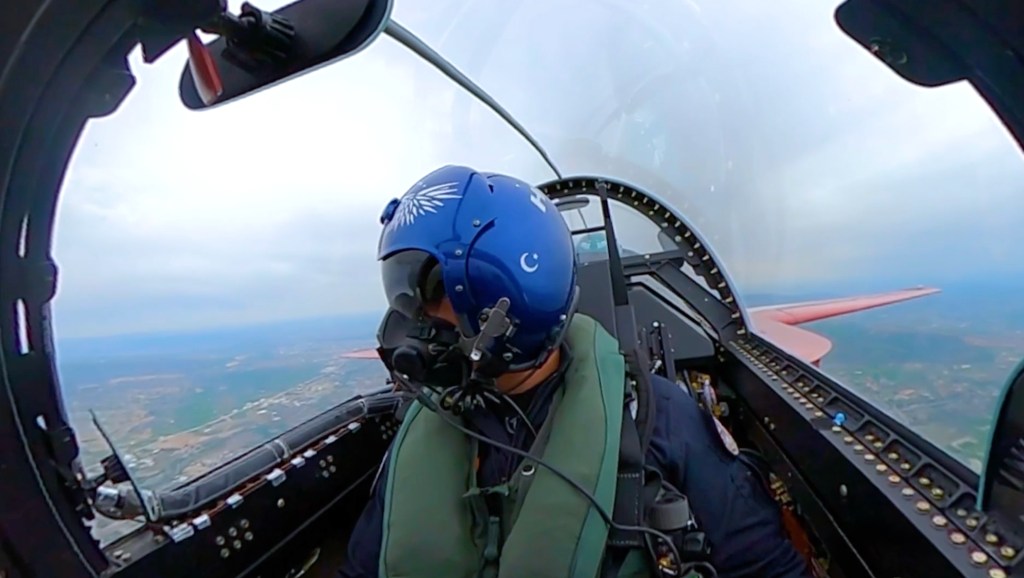
© HAVELSAN
HAVELSAN’s Mission Planning System (FSGP) is set to be exported to Spain as a core operational component of the HÜRJET advanced jet trainer programme, marking a significant milestone in the international expansion of the company’s mission-critical defence software portfolio. The development not only strengthens HAVELSAN’s position as a leading provider of advanced defence solutions but also highlights the growing importance of software-driven capabilities in modern air operations.
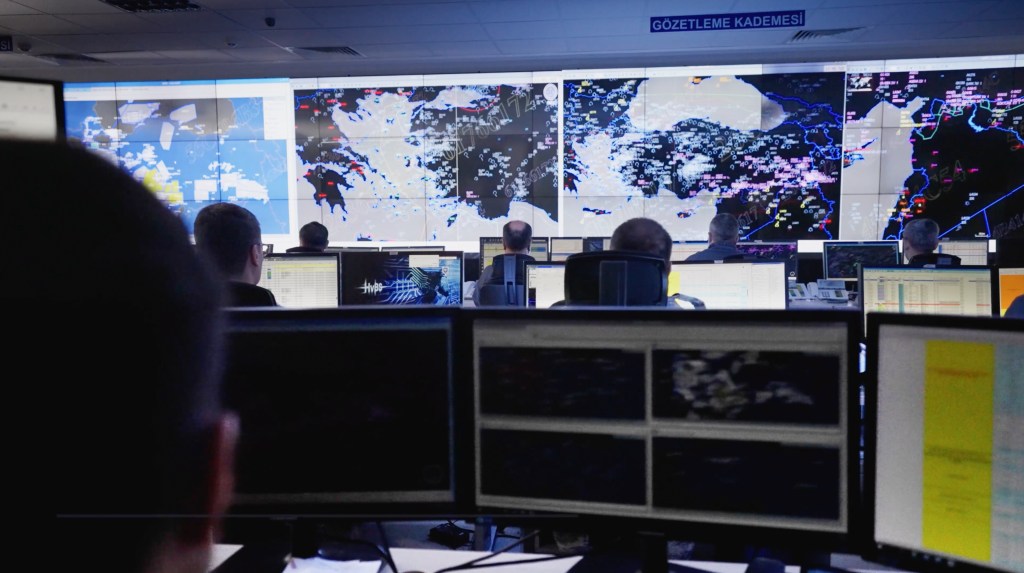
At the heart of this achievement lies HAVELSAN’s mission planning architecture, a comprehensive system designed to define how air operations are planned, executed, and evaluated. Developed through more than two decades of engineering expertise and in active operational use since 2007, FSGP serves as the primary mission planning system of the Turkish Air Force. It supports a wide range of aircraft and munitions through a unified and scalable structure, enabling seamless integration across multiple platforms.
By replacing fragmented legacy systems with a single, integrated environment, HAVELSAN delivers a significant leap in operational efficiency. The system enables faster mission planning cycles, real-time coordination between assets, and data-driven decision-making processes. These capabilities are particularly critical in complex and high-tempo operational environments, where speed, accuracy, and interoperability directly influence mission success.
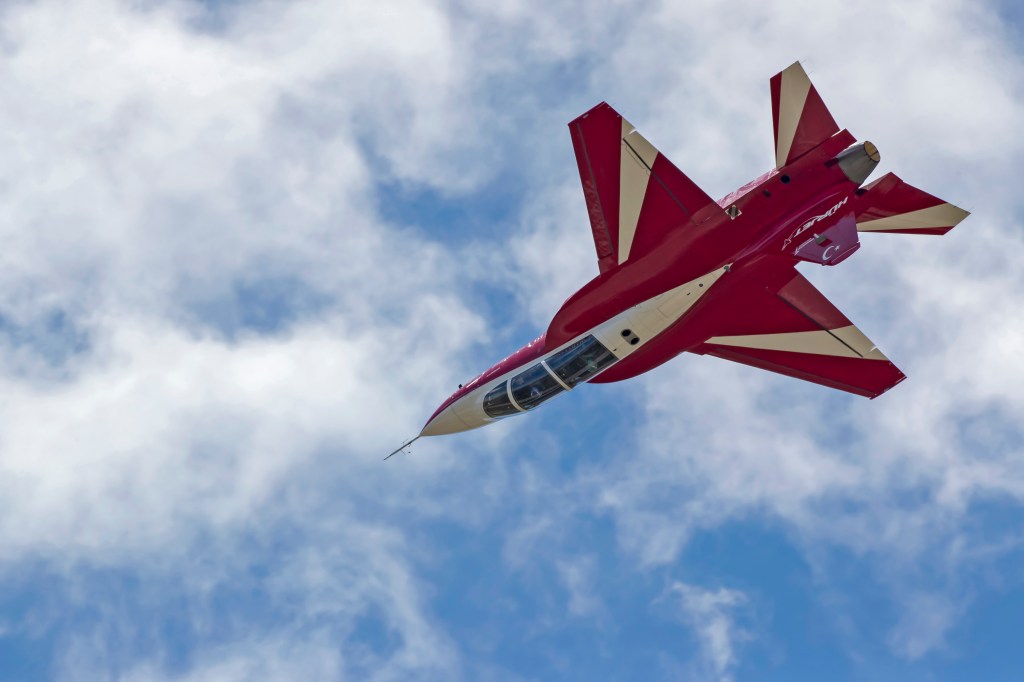
Within the HÜRJET programme, developed by Turkish Aerospace Industries, HAVELSAN’s FSGP plays a central role as a mission-critical layer that supports the aircraft’s operational deployment. The system will be delivered to both Türkiye and Spain, ensuring a common mission planning capability across users. This shared operational framework enhances interoperability between allied forces while simplifying training, planning, and execution processes. In parallel with the software integration, HAVELSAN is also delivering a full mission and flight training simulator for HÜRJET. This dual contribution reinforces the company’s role not only as a software developer but also as a provider of end-to-end operational readiness solutions, spanning from mission planning to pilot training and simulation.
The export of FSGP underscores a broader transformation in air power, where operational superiority is increasingly determined not solely by advanced platforms, but by the software systems that connect, coordinate, and manage them. HAVELSAN’s solution integrates a wide range of advanced capabilities, including smart weapon mission planning, electromagnetic spectrum management, low observability optimisation, and infrared search and tracking integration. It also supports network-enabled operations, allowing for enhanced coordination between multiple assets in real time.
A notable feature of the system is its ability to extend mission planning and control to unmanned aerial vehicles, enabling coordinated operations between manned and unmanned platforms. This capability reflects the evolving nature of modern warfare, where multi-domain and multi-platform integration is becoming a defining factor in operational effectiveness. Furthermore, the incorporation of artificial intelligence-supported functionalities allows for synchronised mission planning across multiple platforms, significantly reducing planning timelines while improving mission outcomes. These advancements position FSGP as a key enabler of next-generation air operations.
HAVELSAN continues to expand the system’s integration across future platforms. In addition to its deployment within HÜRJET, integration efforts are actively ongoing for Türkiye’s next-generation fighter programme, KAAN. Through this expanding ecosystem, the company is building a unified and interoperable mission planning environment capable of supporting future air force requirements. The export of FSGP to Spain represents more than a programme milestone. It signals HAVELSAN’s emergence as a global provider of mission-critical software solutions, playing a decisive role in shaping how modern air operations are conducted and managed in an increasingly complex security environment.


Leave a Reply