Sea Power for Africa Symposium 2026 Highlights Technology and Cooperation as Pillars of Maritime Security
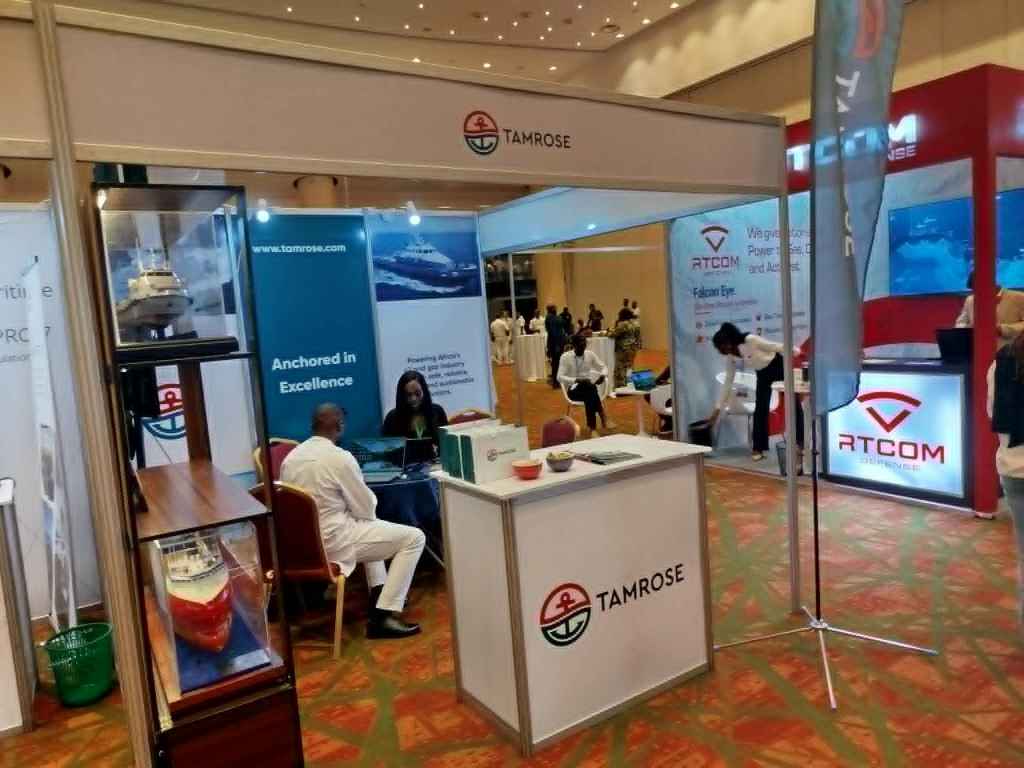
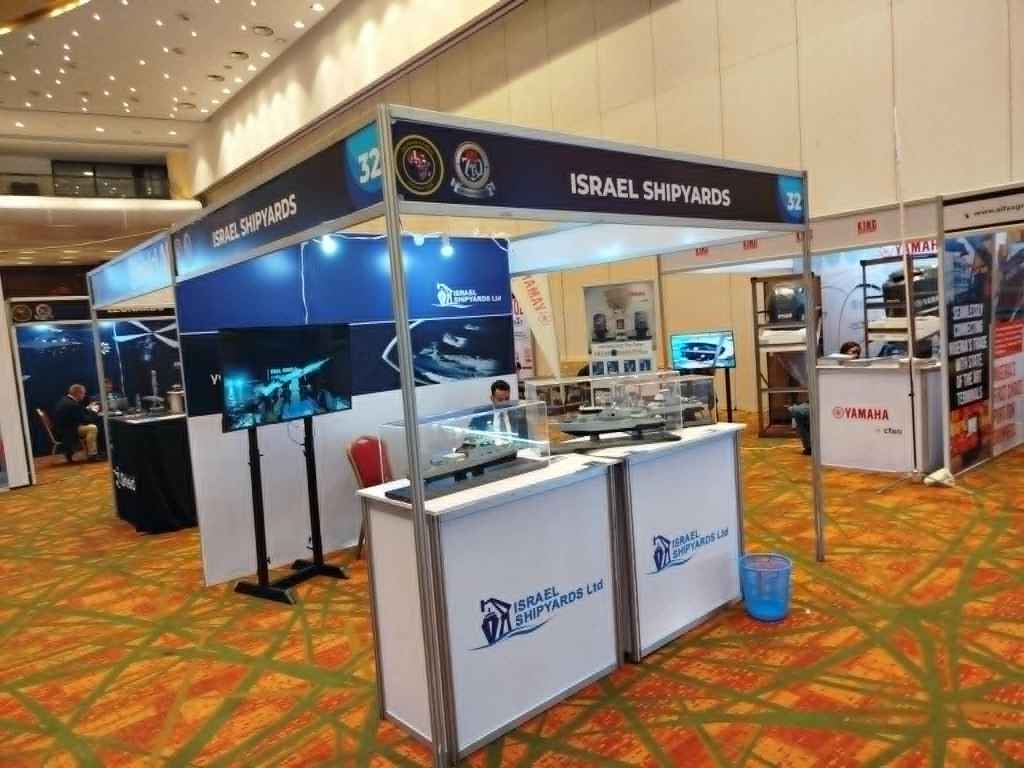
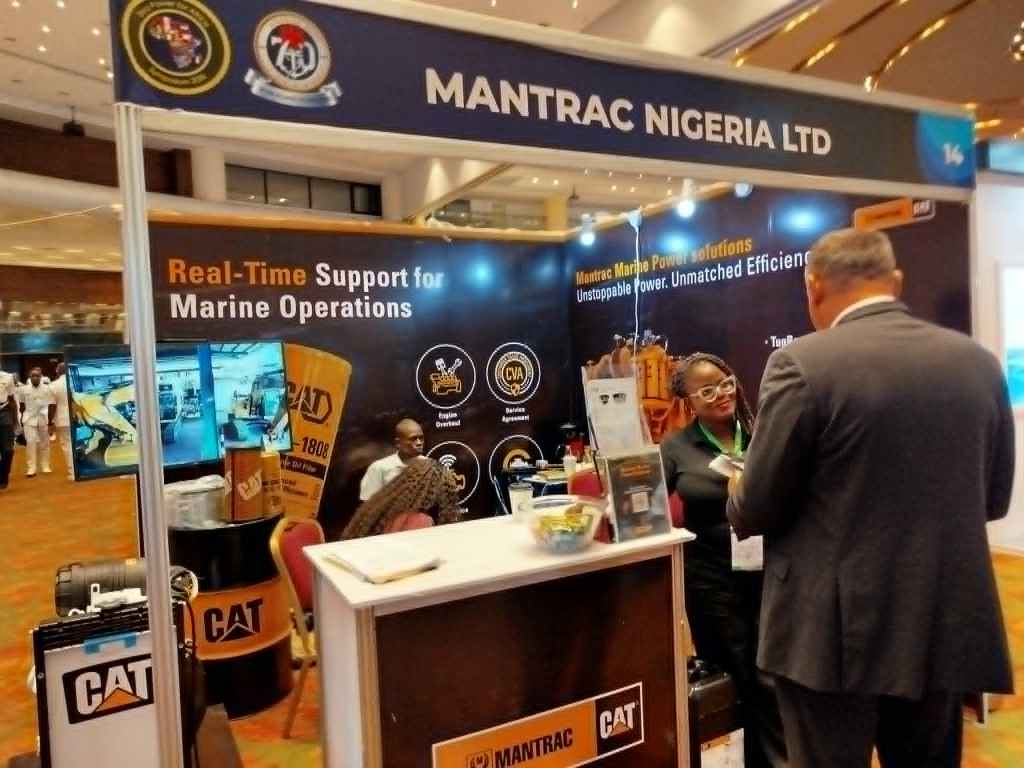
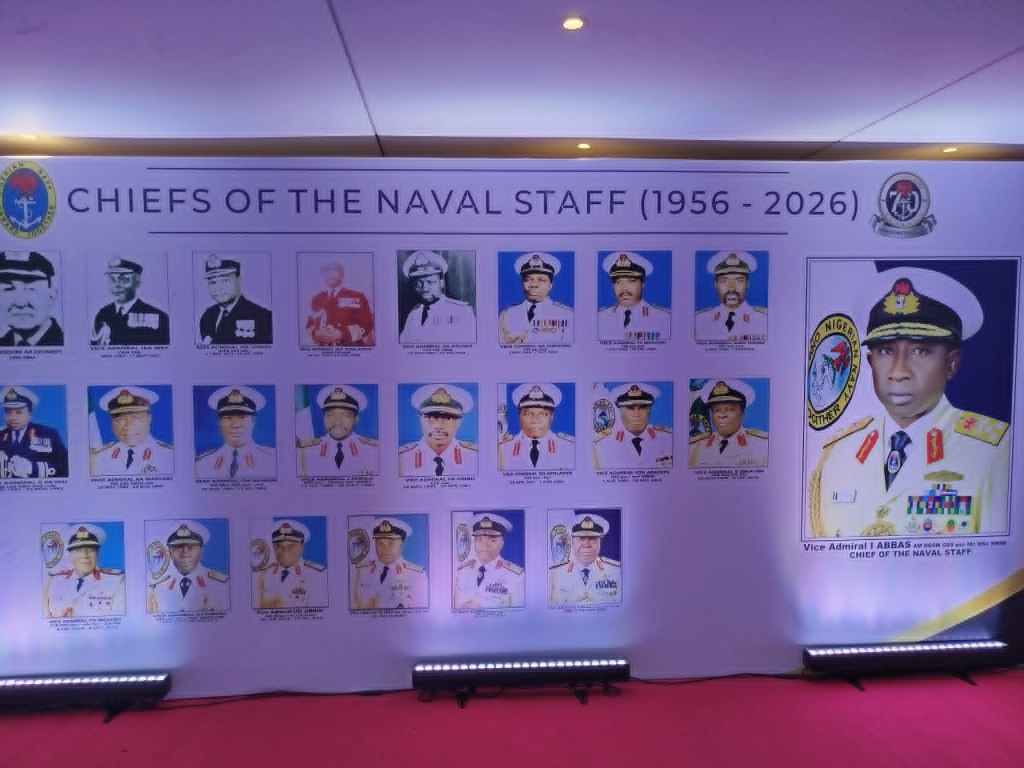
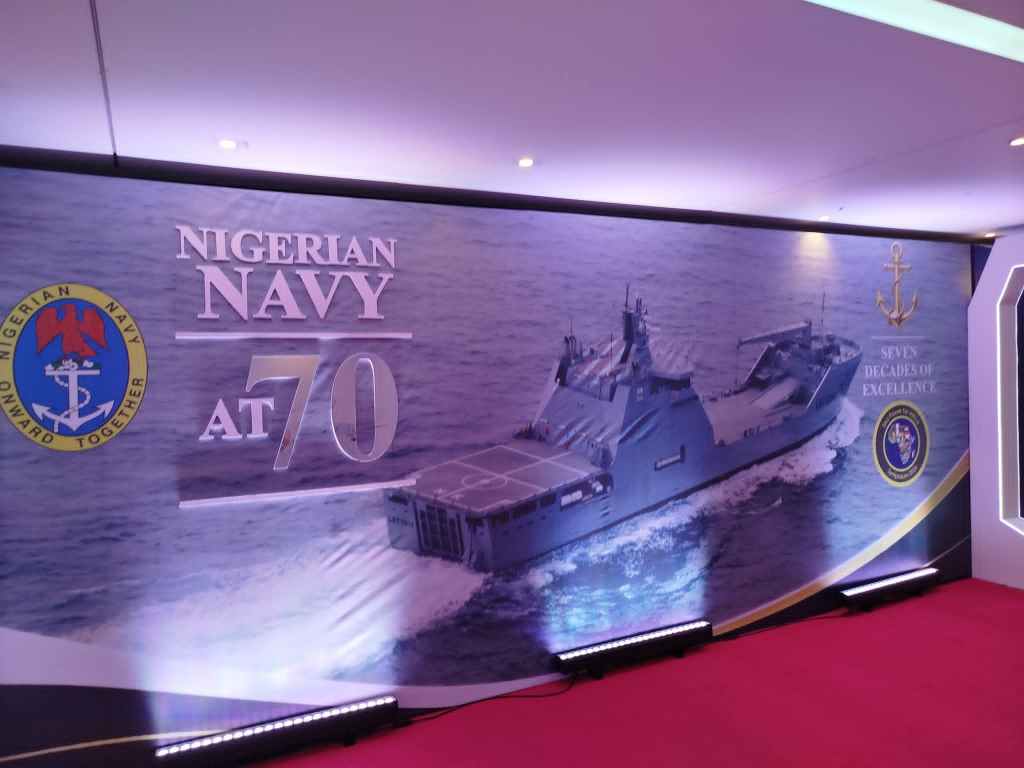
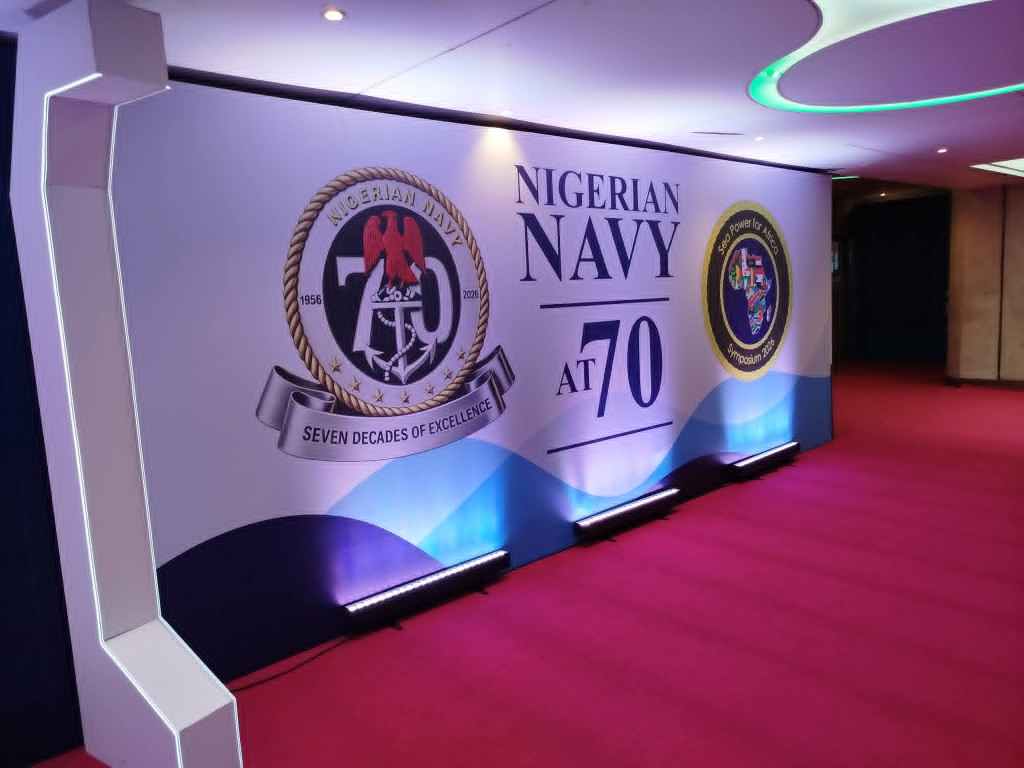
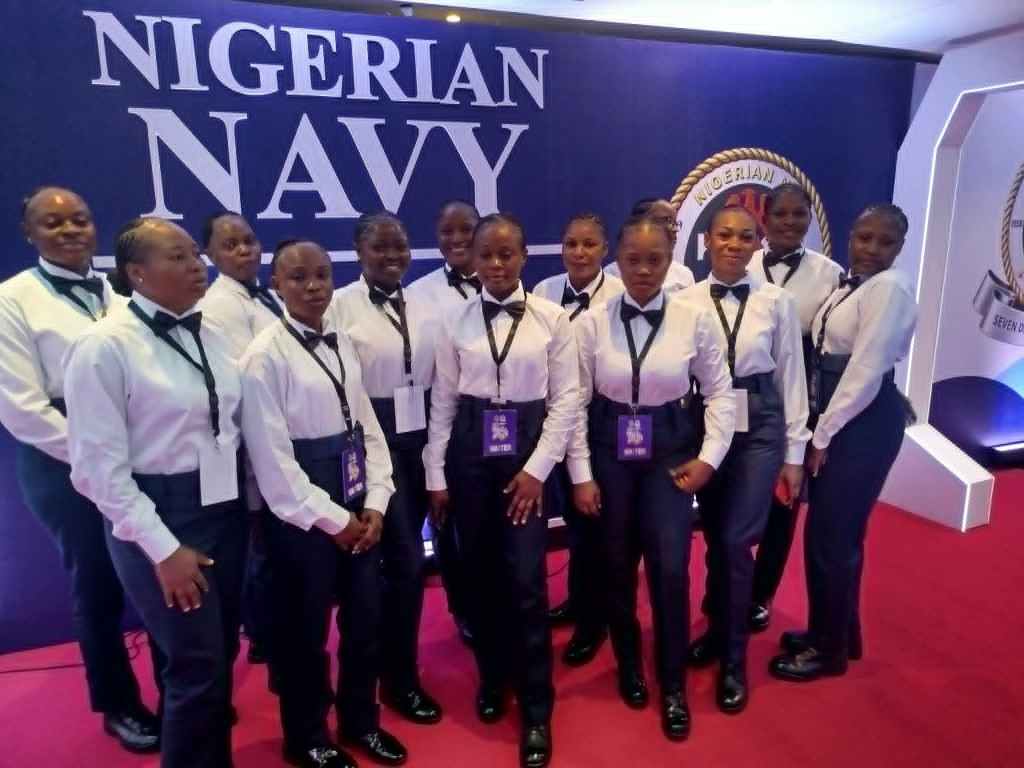
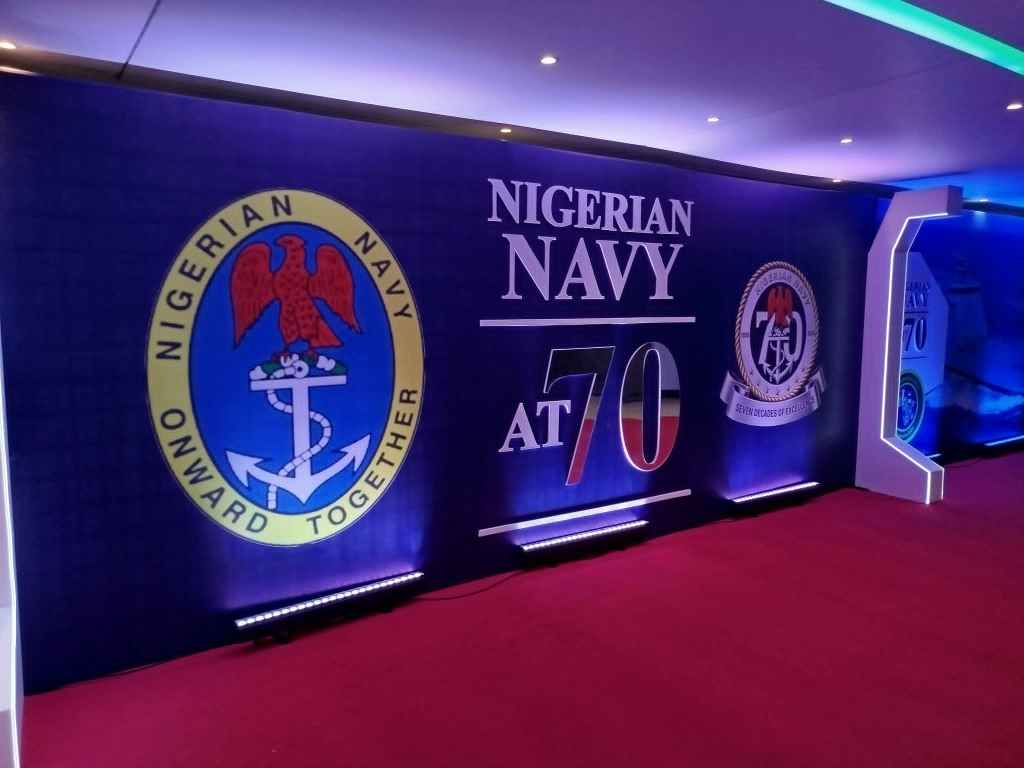
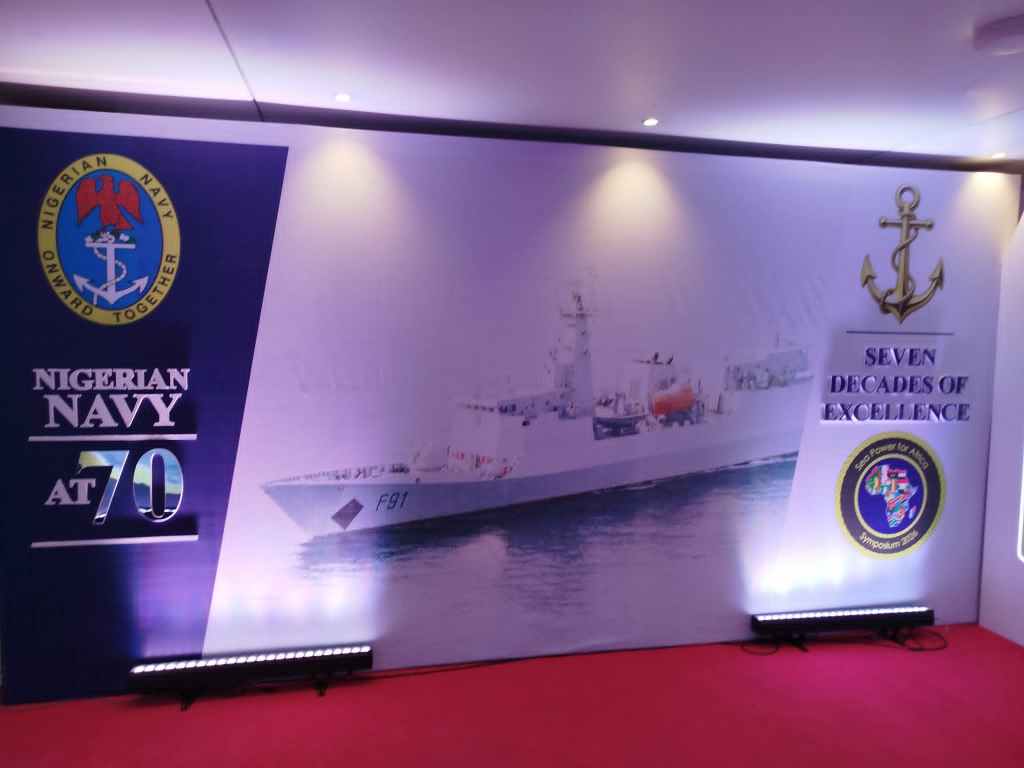
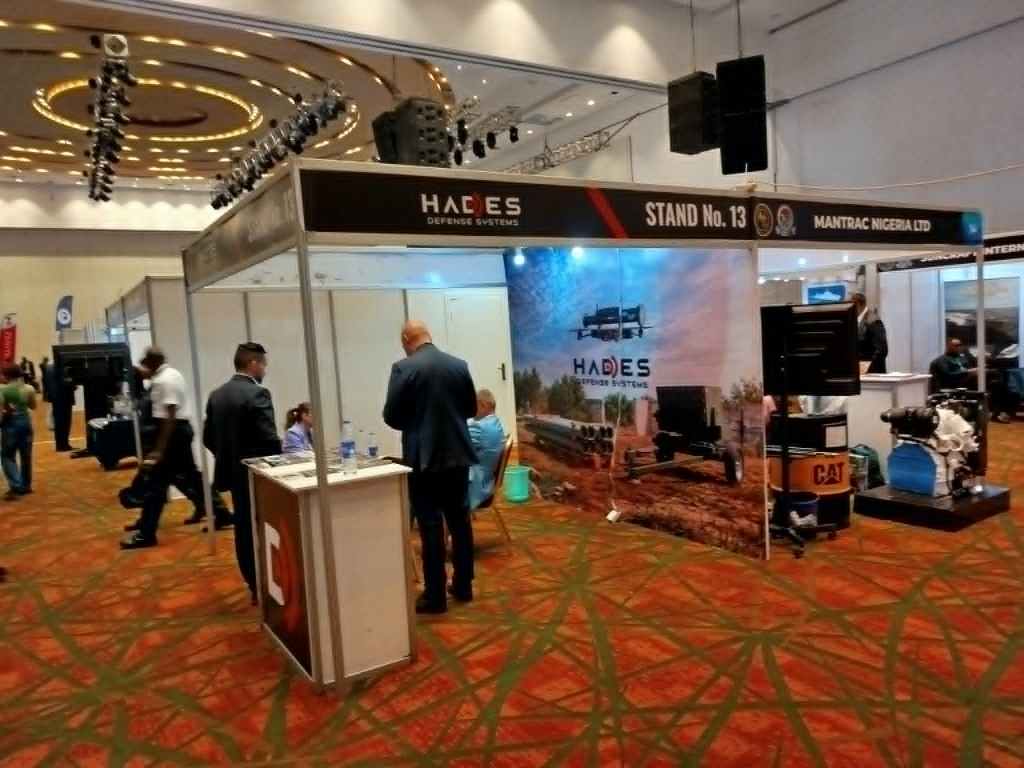
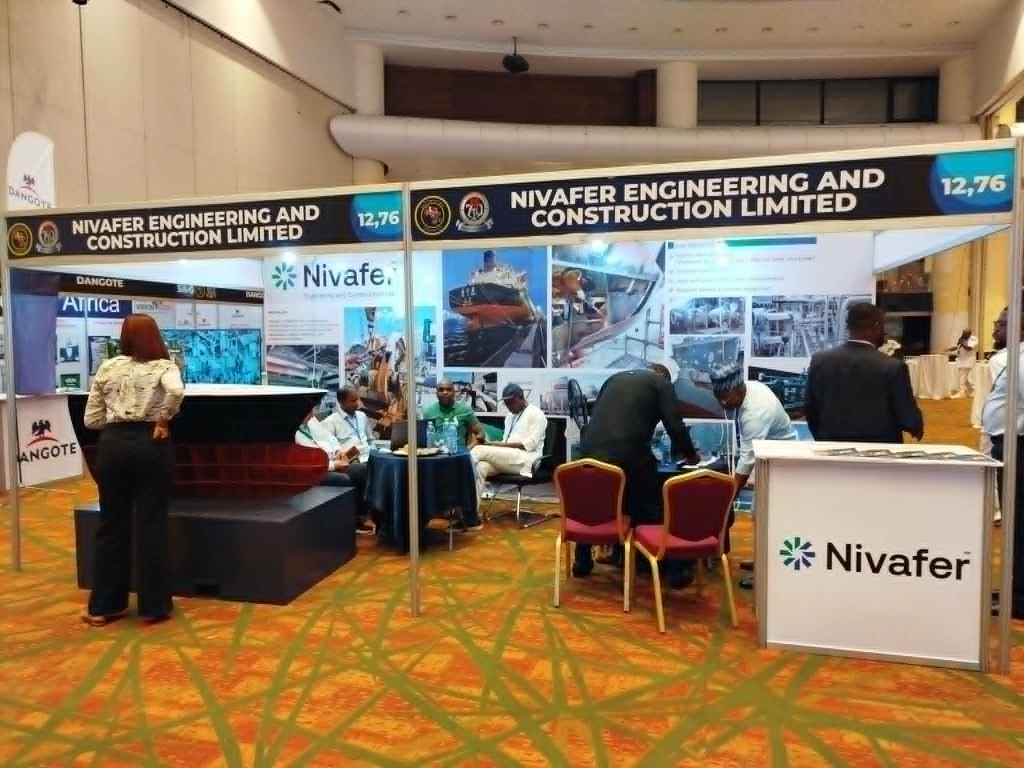
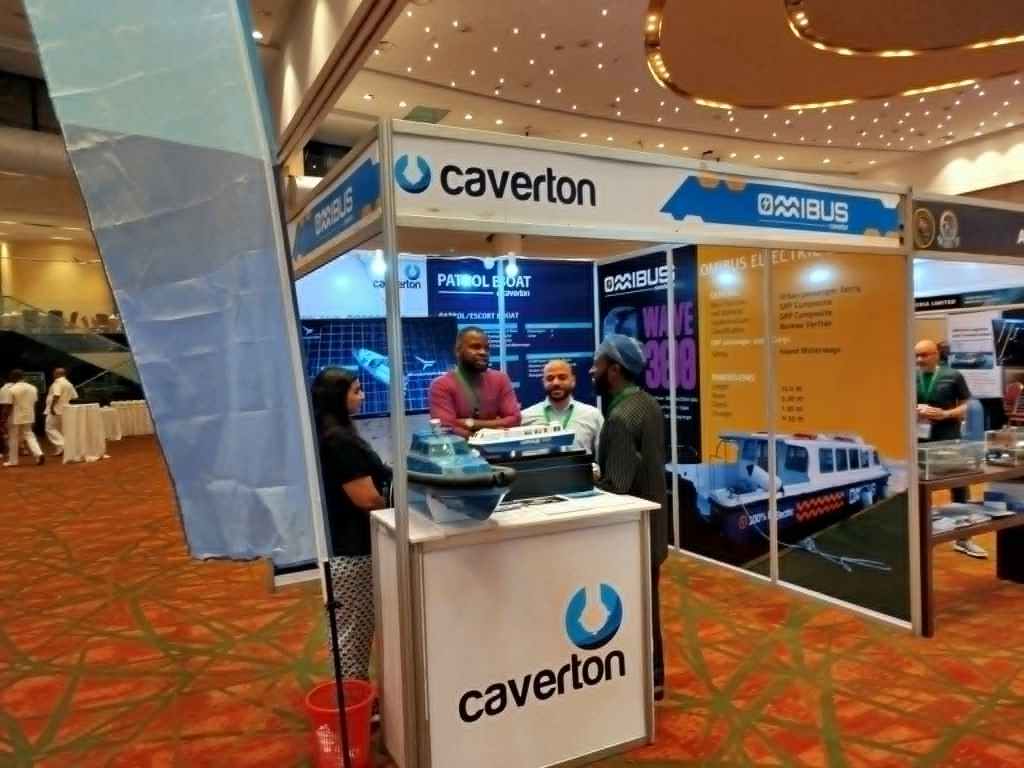
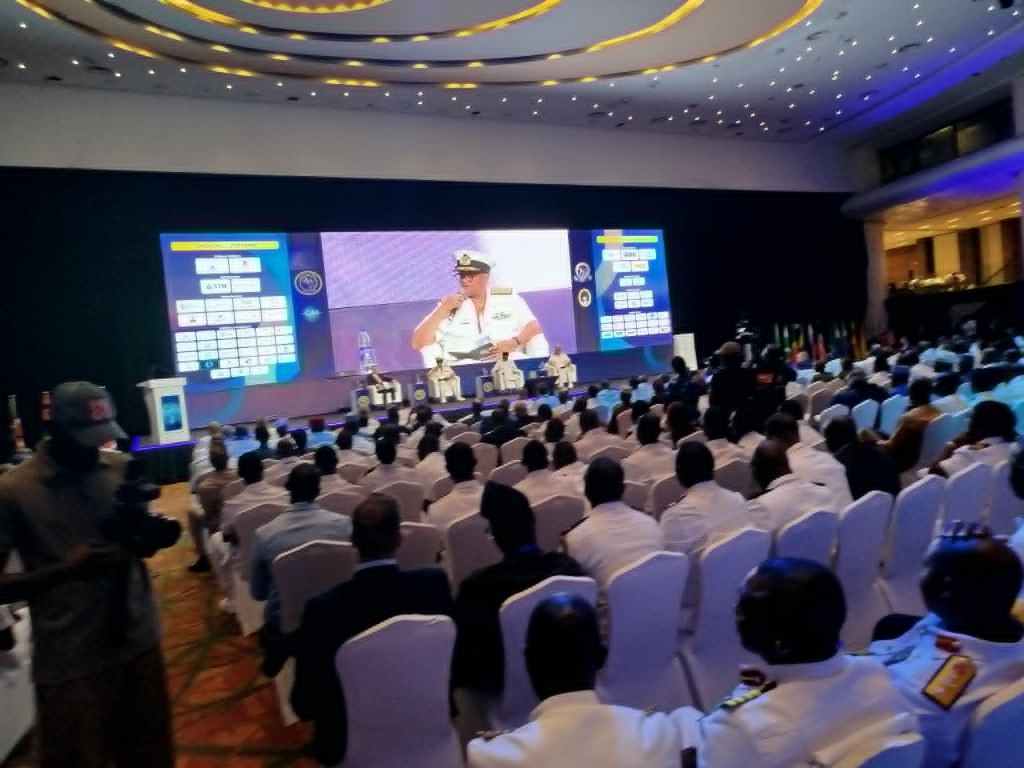
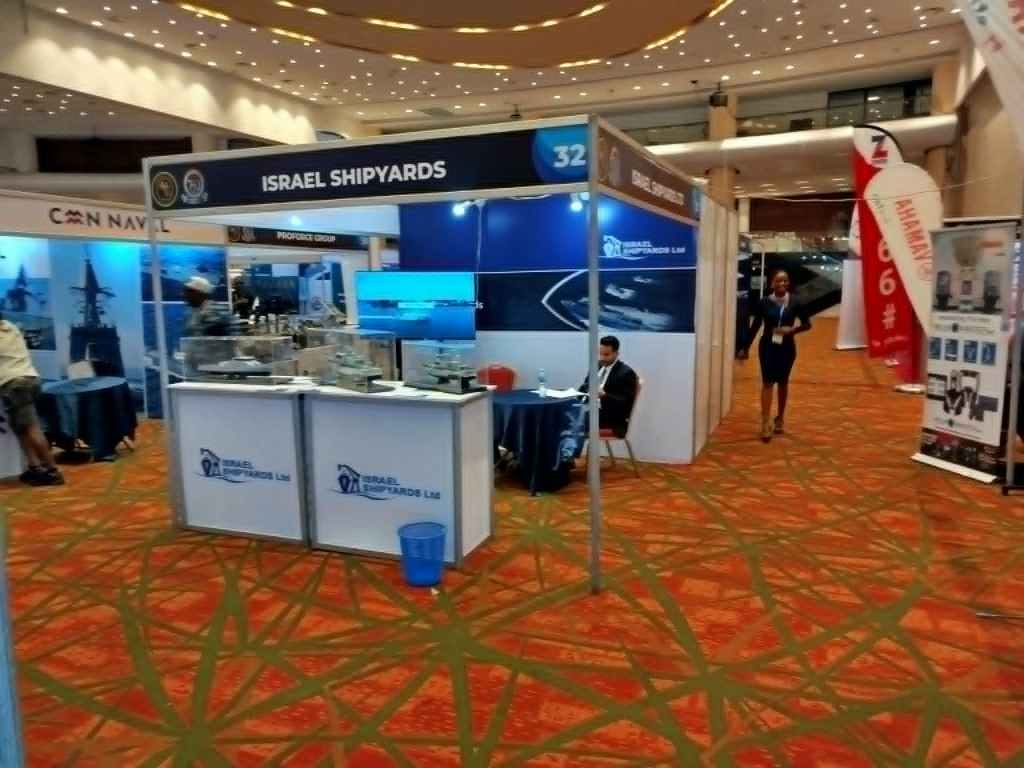
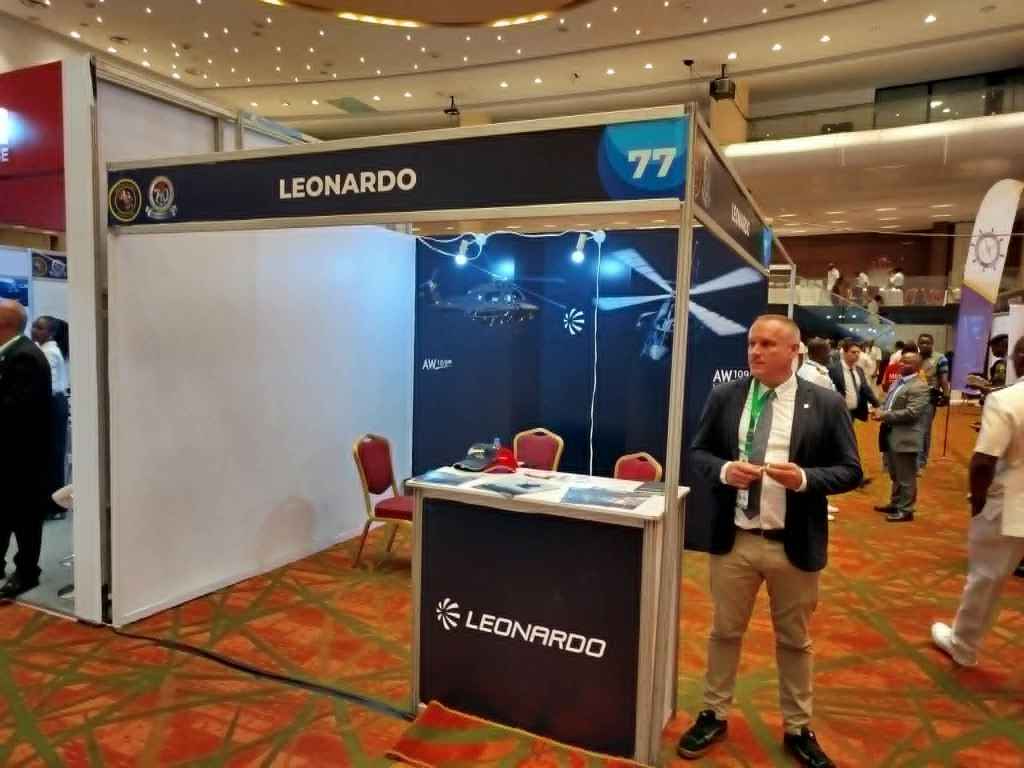
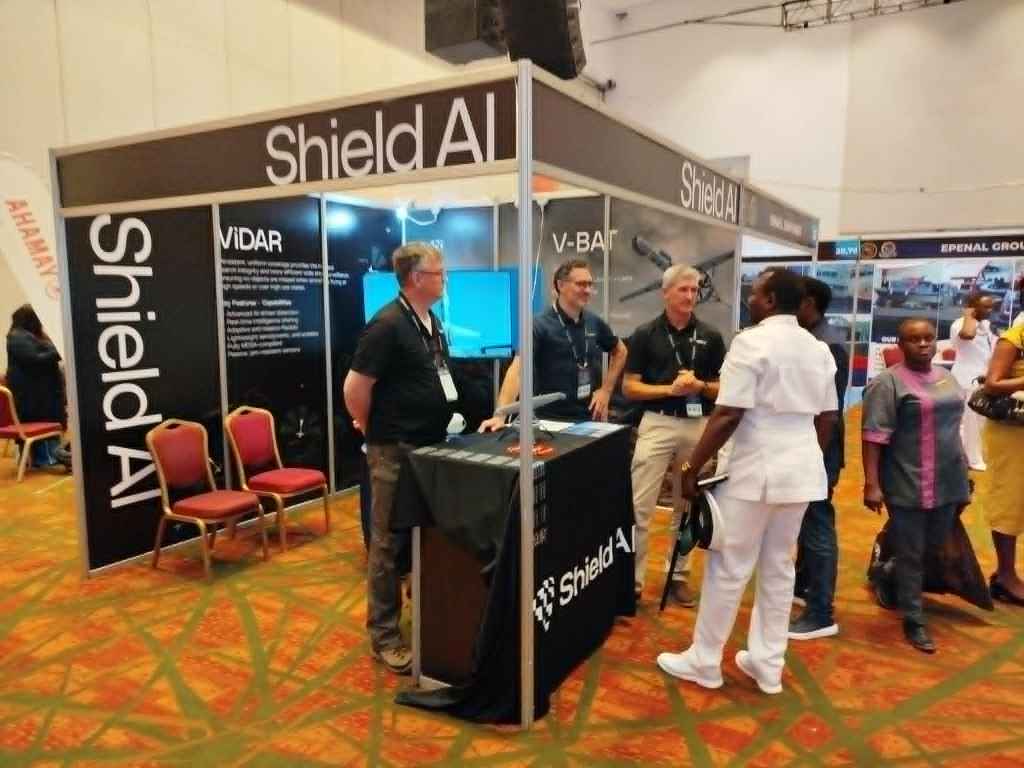
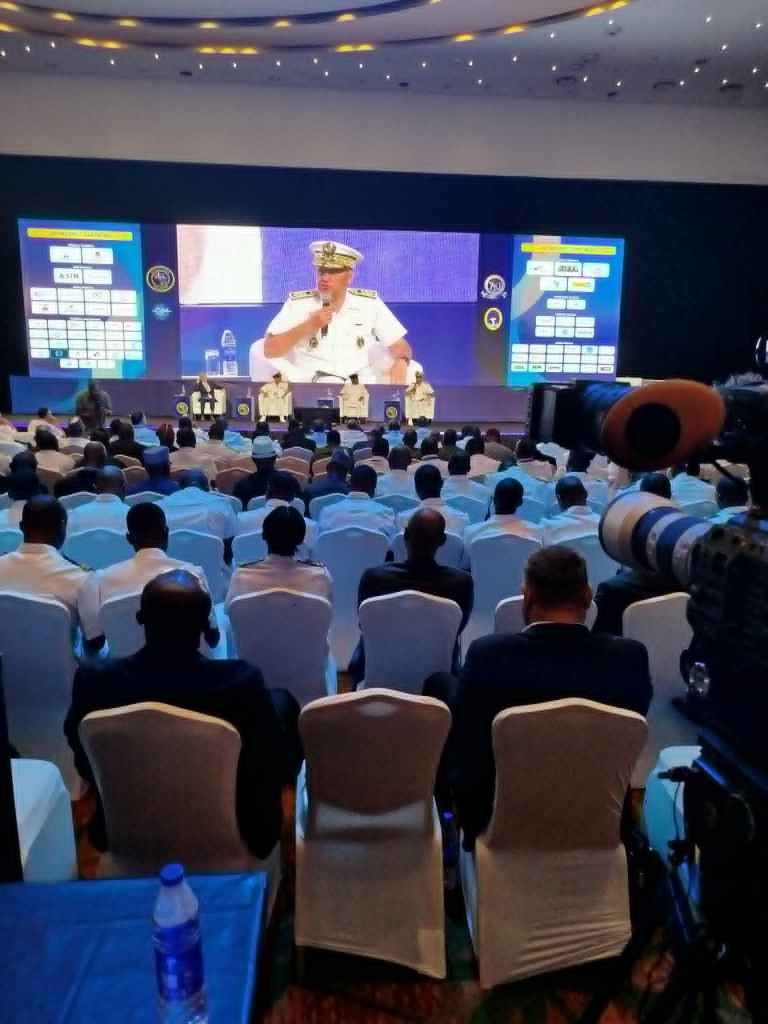
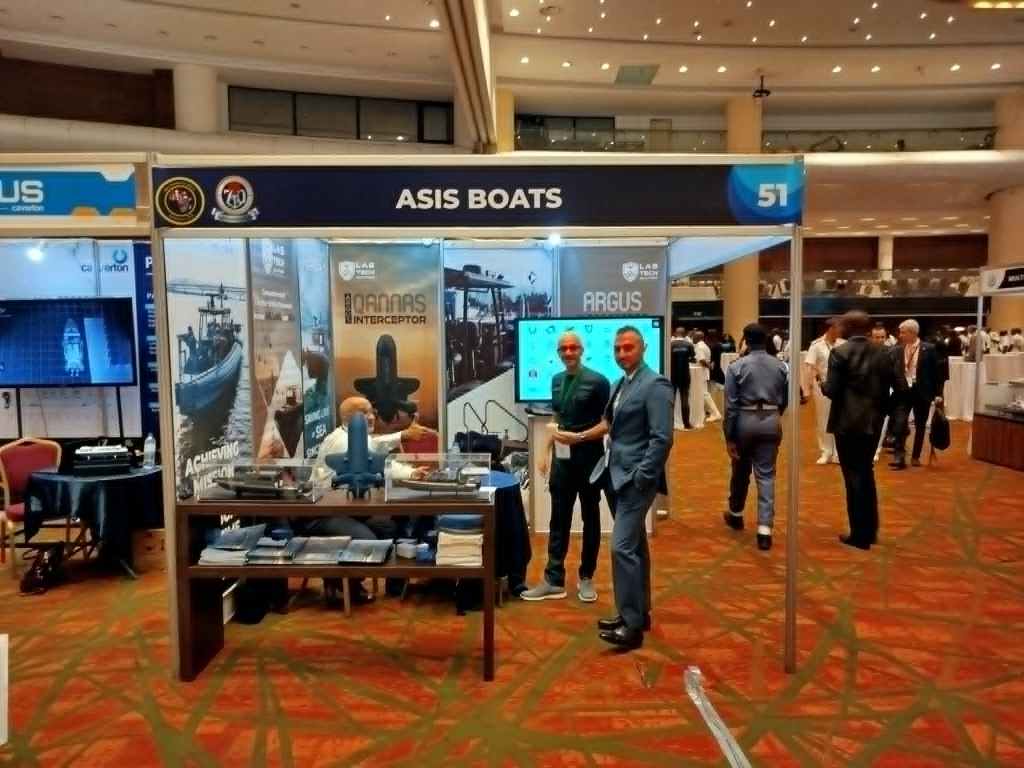
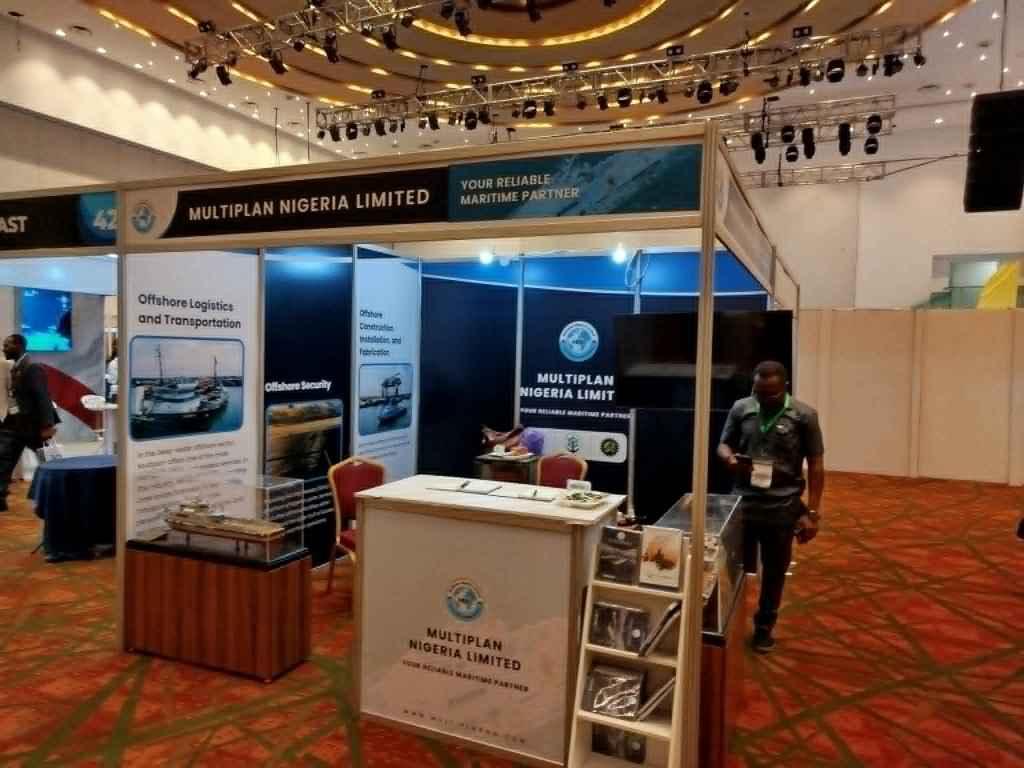
The 6th Sea Power for Africa Symposium (SPAS 2026), held in Lagos, Nigeria from 1–3 June 2026, brought together naval leaders, coast guards, defence officials, policymakers, maritime experts and industry representatives from across Africa and beyond to discuss the future of maritime security on the continent. Hosted by the Nigerian Navy as part of celebrations marking its 70th Anniversary, the symposium focused on the theme “Leveraging Technology for Enhanced Maritime Security in Africa.”
The event underscored the growing importance of maritime security to Africa’s economic development, regional stability and the protection of critical sea lines of communication. As Africa seeks to unlock the full potential of its Blue Economy, participants emphasized the need for stronger cooperation, intelligence sharing and the adoption of advanced technologies to address evolving maritime threats.
Opening the symposium, Nigeria’s Minister of State for Defence, Bello Muhammed Matawalle, stressed that maritime security remains fundamental to global trade, noting that approximately 90 percent of world trade by volume is transported by sea. He highlighted the essential role naval forces play in safeguarding international commerce and ensuring economic stability.
Matawalle emphasized that contemporary maritime threats—including piracy, armed robbery at sea, illegal fishing, smuggling and other transnational crimes—cannot be effectively addressed by individual nations acting alone. He called for stronger partnerships among African navies and international stakeholders to build a credible and resilient maritime security architecture capable of protecting the continent’s maritime interests.
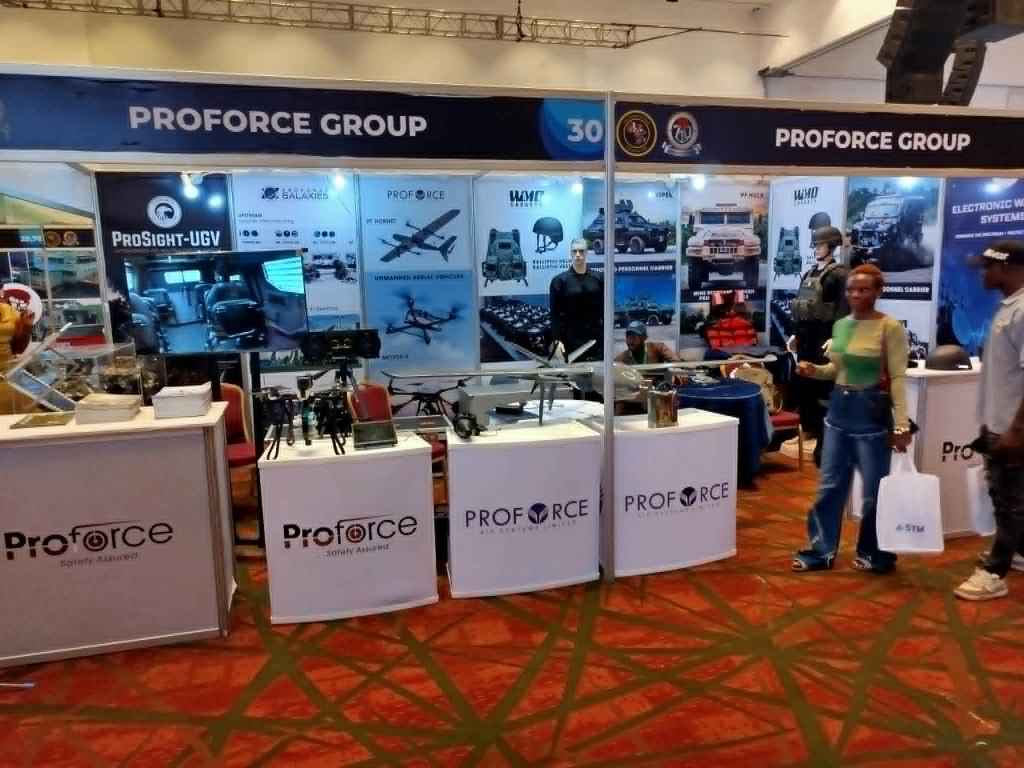
The minister further noted that the symposium aligns with the objectives of the African Integrated Maritime Strategy 2050 (AIMS 2050) and provides an important platform for developing practical solutions to maritime security challenges. He highlighted the growing role of technologies such as artificial intelligence, unmanned systems, advanced surveillance capabilities and enhanced data-sharing networks in improving maritime domain awareness and operational effectiveness.
Chief of the Naval Staff of Nigeria, Vice Admiral Idi Abbas, described the symposium as a vital forum for promoting dialogue and cooperation among maritime stakeholders. Since its inception in 2004, the Sea Power for Africa Symposium has served as a key platform for strengthening maritime governance, enhancing interoperability and fostering collaboration among African maritime forces.
Vice Admiral Abbas observed that emerging technologies present both opportunities and challenges. While technological innovation can significantly improve maritime security capabilities, criminal organisations and non-state actors may also exploit advanced technologies for illicit activities. He stressed the importance of developing strategies that maximize the benefits of innovation while mitigating associated risks.
The symposium also provided an opportunity for participants to reaffirm their commitment to continental initiatives, including AIMS 2050 and the African Charter on Maritime Security, Safety and Development in Africa. Discussions focused on regional cooperation, maritime governance, technological innovation, intelligence sharing and collective responses to maritime threats.
Building on the success of the 2024 edition held in South Africa, SPAS 2026 reinforced the importance of coordinated action in securing Africa’s maritime domain. The symposium concluded with a shared commitment to strengthening partnerships, enhancing maritime capabilities and promoting sustainable security frameworks that will support economic growth, regional stability and the long-term prosperity of Africa’s maritime environment.