
© Images copyright: Ethiopian National Defence Force
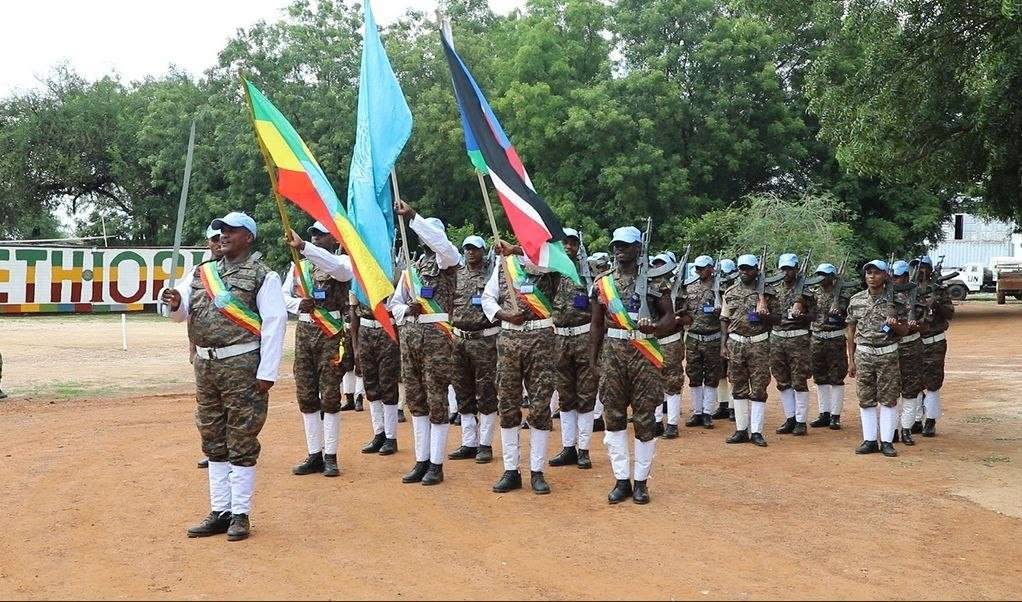
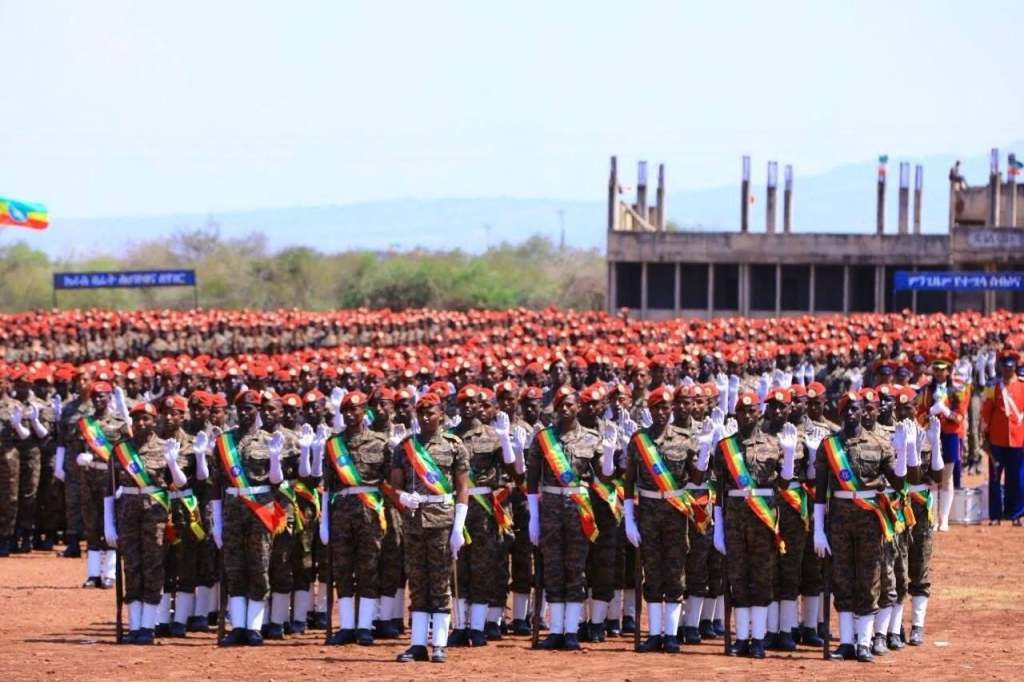
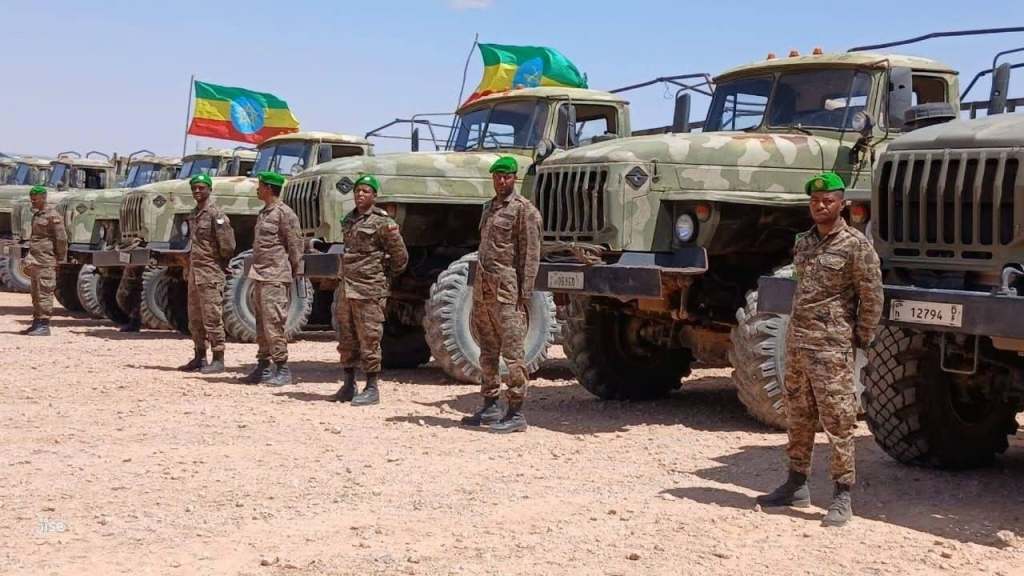
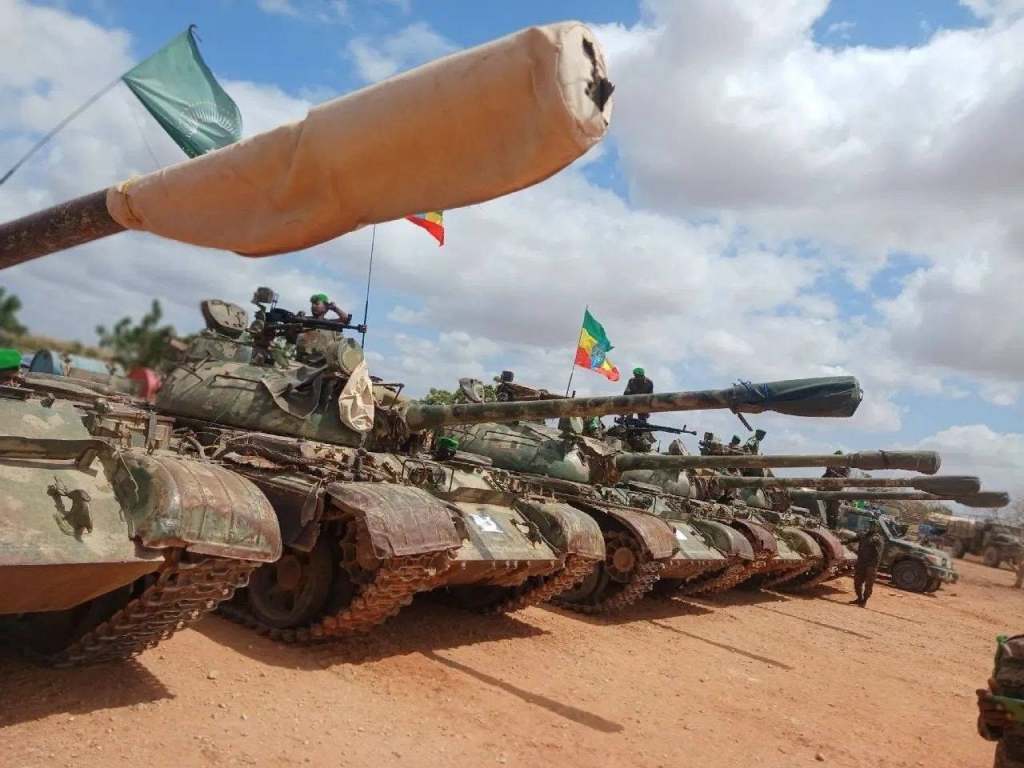
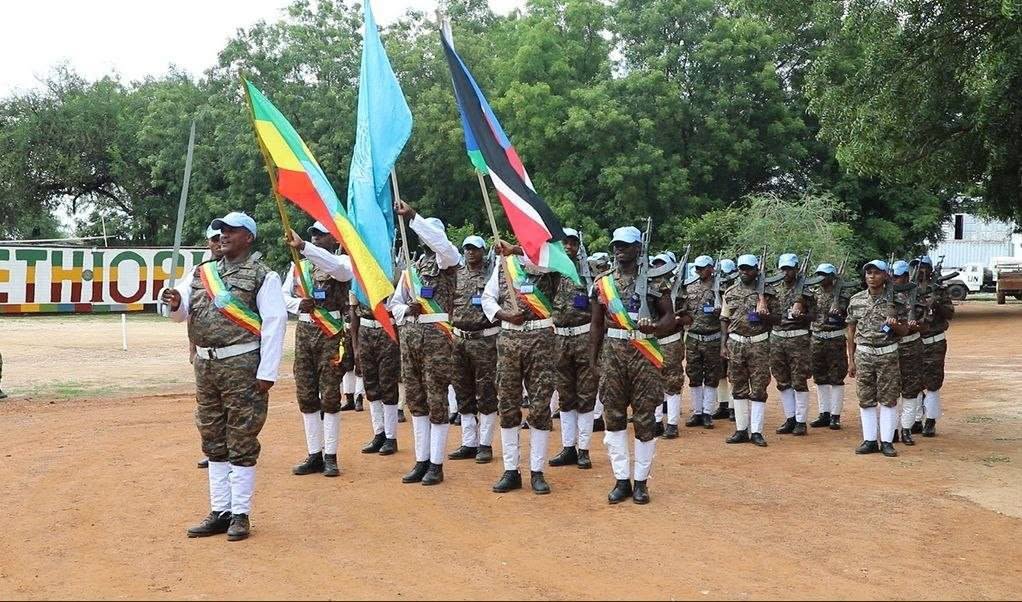
The Ethiopian National Defence Force (ENDF) represents an institution shaped by generations of military tradition, national service and sacrifice. Its history is closely intertwined with Ethiopia’s long struggle to preserve its independence, sovereignty and national identity, creating a military heritage that continues to influence the country’s armed forces today.
Across generations, Ethiopian soldiers have inherited traditions associated with patriotism, resilience and the defence of their homeland. Yet the strength of a modern armed force cannot depend on history alone. It increasingly rests on the ability to transform experience into professional capability, technological advantage, institutional knowledge and readiness for future security challenges.
For Ethiopia, this combination of military heritage and modernization is becoming particularly important as the strategic environment in the Horn of Africa evolves.
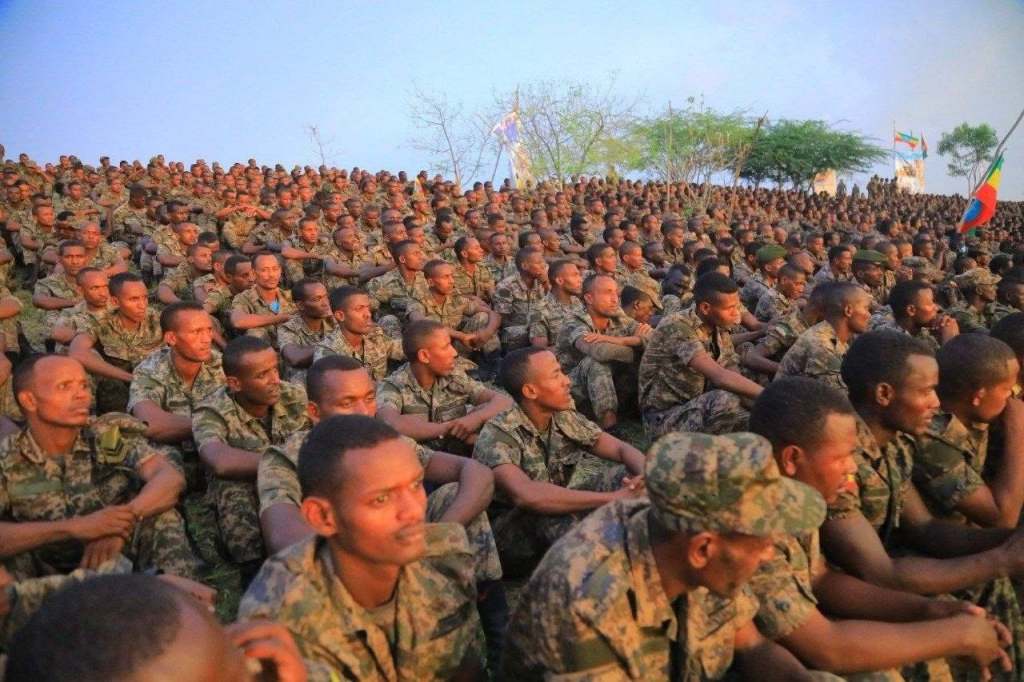
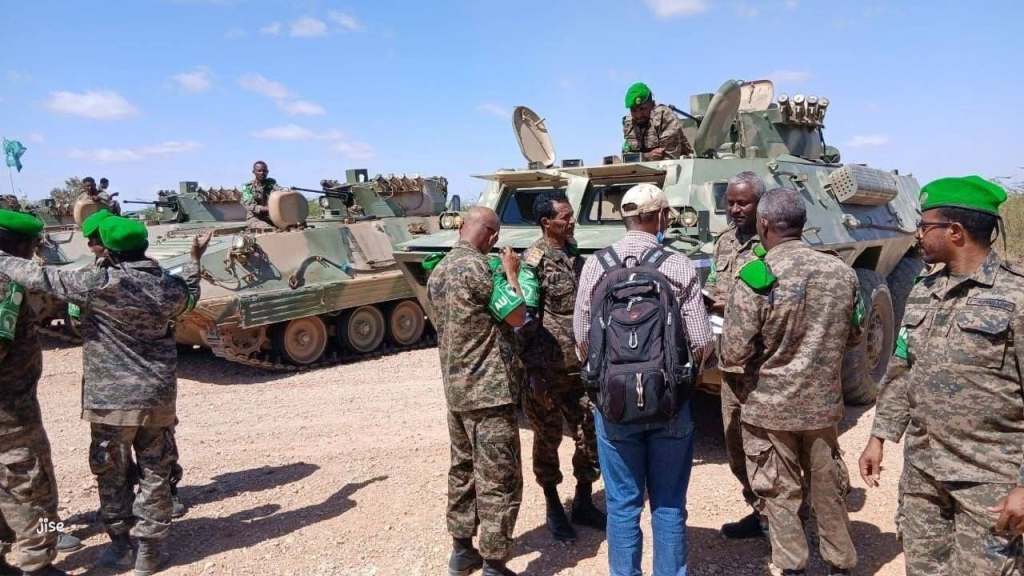
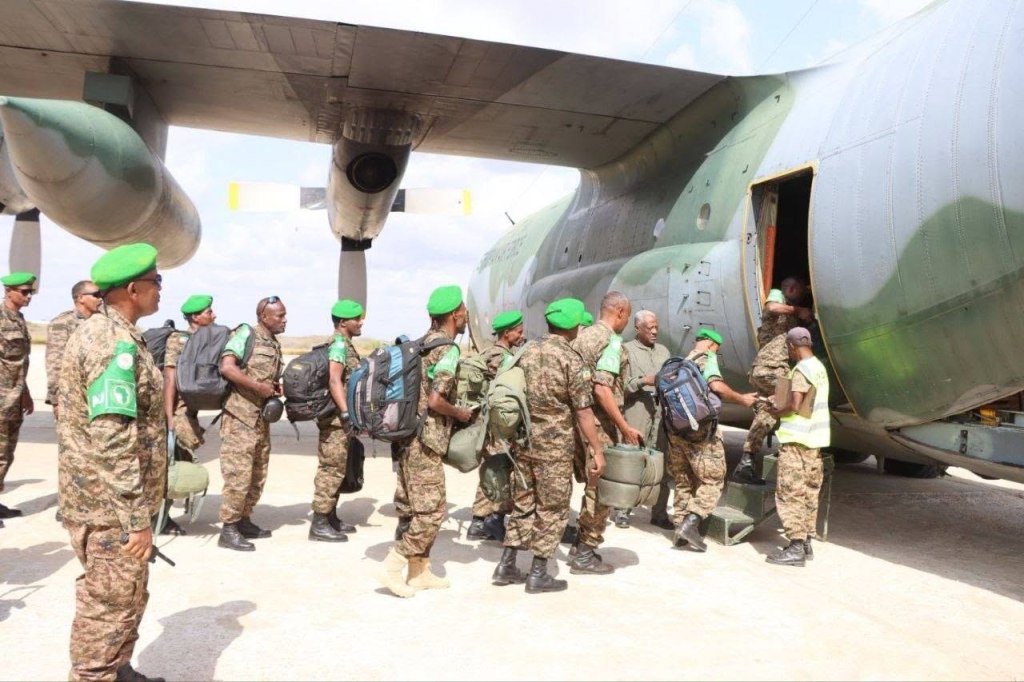
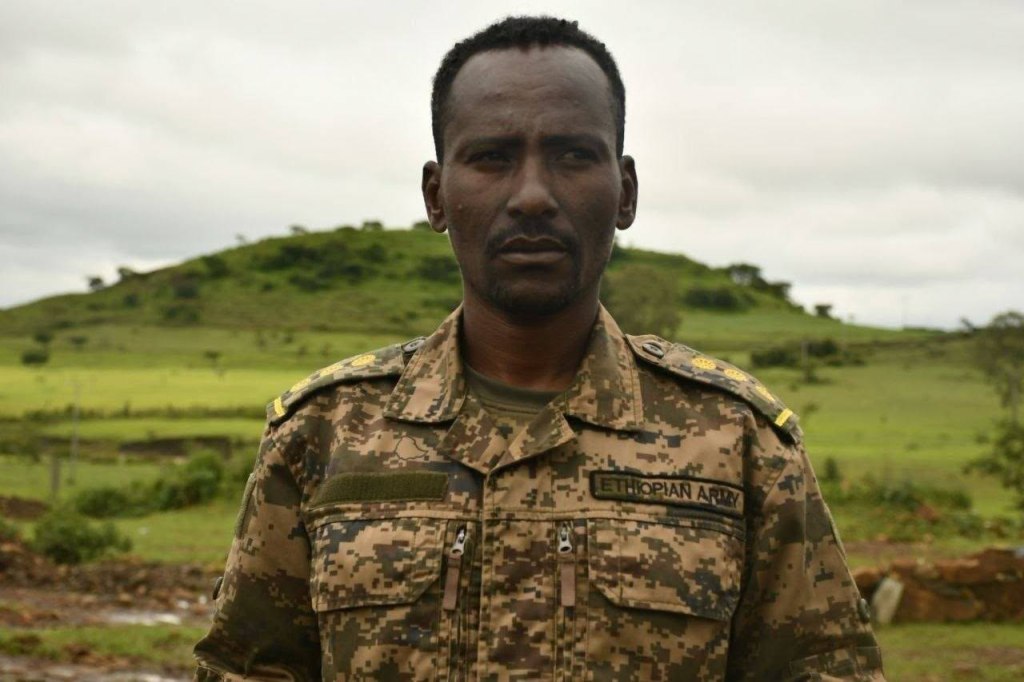
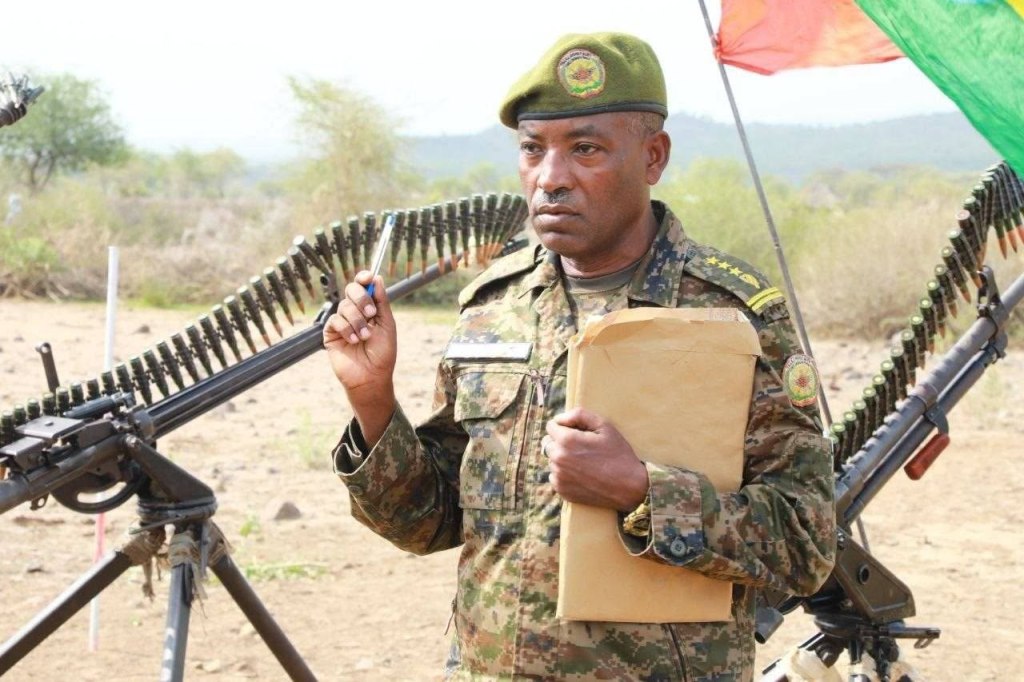
At the heart of the ENDF remains its personnel. Drawn from different parts of Ethiopia, members of the armed forces operate within a common military structure in which discipline, training, professionalism and institutional cohesion are fundamental to operational effectiveness.
The modernization process now underway indicates that Ethiopia is increasingly looking beyond traditional measures of military strength. Advanced training, intelligence, communications, command-and-control, cyber capabilities, unmanned systems and technologically enabled logistics are becoming increasingly important components of the country’s defence architecture.
This direction was reinforced in August 2026 when the ENDF and the Ethiopian Artificial Intelligence Institute signed a cooperation agreement aimed at introducing AI capabilities into areas including logistics, training, cybersecurity, military healthcare, air operations and electronic warfare.
The direction is significant. Ethiopia’s future military capability is likely to be determined not simply by the number of platforms it operates, but by how effectively sensors, communications, intelligence, unmanned systems and command structures can be integrated.
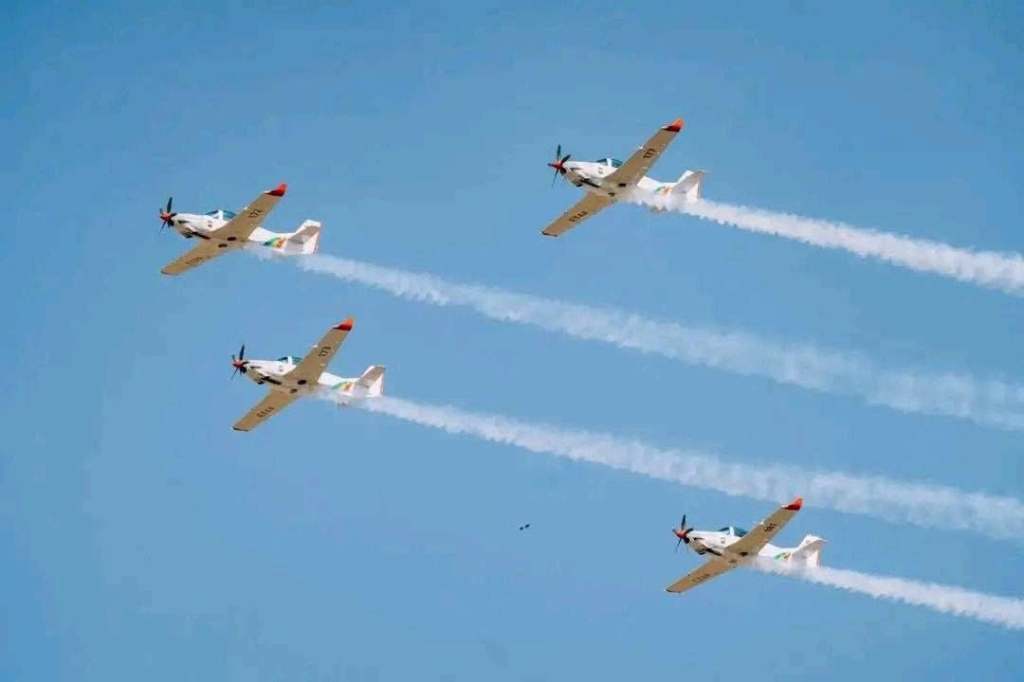
The Ethiopian Air Force provides perhaps the clearest illustration of this transformation.
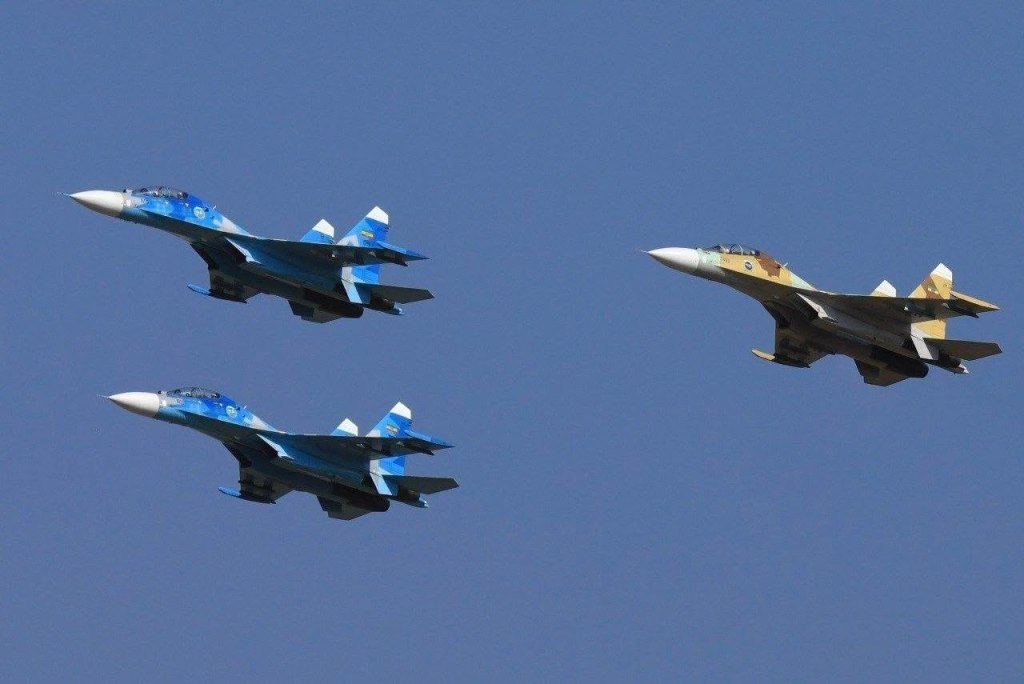
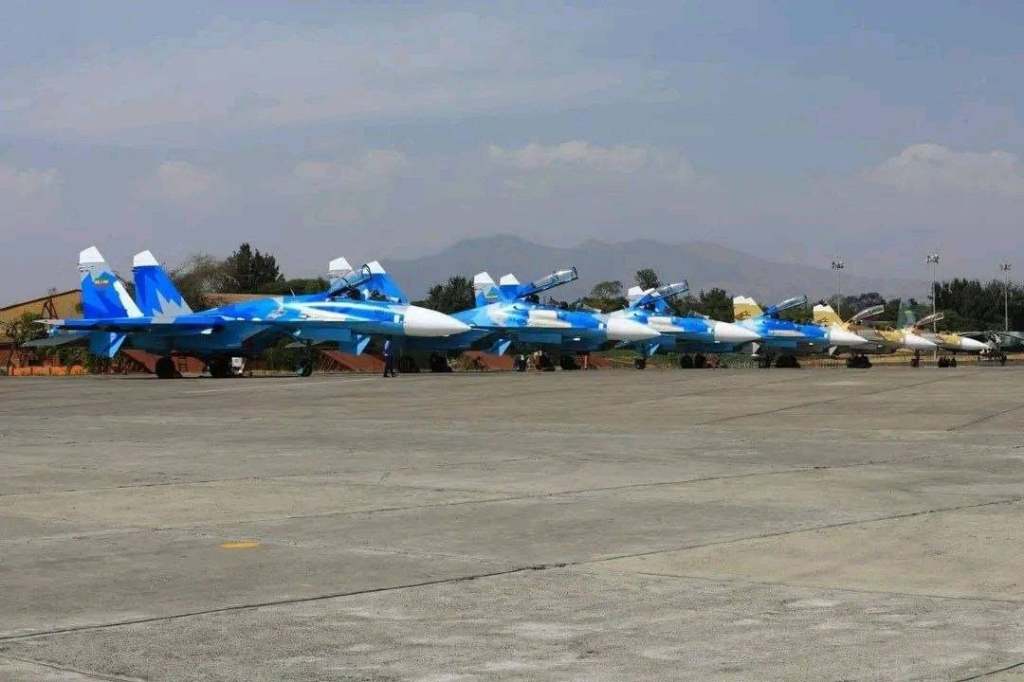
The introduction of the Su-27 during the Ethiopia–Eritrea conflict represented an important step in Ethiopia’s air-combat capability. The aircraft brought substantially greater performance and air-to-air capability, but its operational employment also demonstrated a fundamental principle of air power: sophisticated aircraft are effective only when supported by trained pilots, technicians, maintenance infrastructure and an effective operational command system.
The subsequent introduction of the Su-30 represents another stage in this evolution. Ethiopia publicly displayed two newly received Su-30 fighters in January 2024 alongside its existing Su-27 fleet, simultaneously announcing the arrival of Bayraktar Akıncı unmanned aircraft.
The transition from Su-27 to Su-30 is therefore about considerably more than replacing one fighter with another. It represents the transfer of operational experience and technical expertise from one generation of pilots, engineers, technicians and instructors to another.
Ethiopian authorities are now setting considerably more ambitious objectives. In January 2026, Prime Minister Abiy Ahmed announced a goal of transitioning the Ethiopian Air Force toward fifth-generation capability by 2030, while also doubling the combat-aircraft fleet.
Such an objective, if fully implemented, would represent a major transformation of Ethiopian air power.
One of the most important characteristics of Ethiopia’s emerging defence posture is that modernization is not confined to conventional combat aircraft.
Unmanned systems have become an increasingly visible element of the country’s defence capabilities. The inauguration of SkyWin Aeronautics Industries in March 2025 demonstrated Ethiopia’s intention to develop a domestic UAV manufacturing base for both civilian and military applications. Ethiopian authorities have also stated ambitions to develop export capability and expand domestic production of sensors and associated technologies.
In June 2026, the Ethiopian Air Force and Information Network Security Administration signed an agreement covering the establishment of an independent Drone Technology Center, research and development, aerospace and defence technologies, laboratory cooperation and specialist human-capital development.
Taken together, these developments suggest that UAVs will remain one of the most important areas of future Ethiopian defence investment.
Rather than relying exclusively on imported complete systems, Addis Ababa appears increasingly interested in combining foreign acquisition with domestic production, maintenance, technological transfer and indigenous research.
This approach extends beyond unmanned aviation.
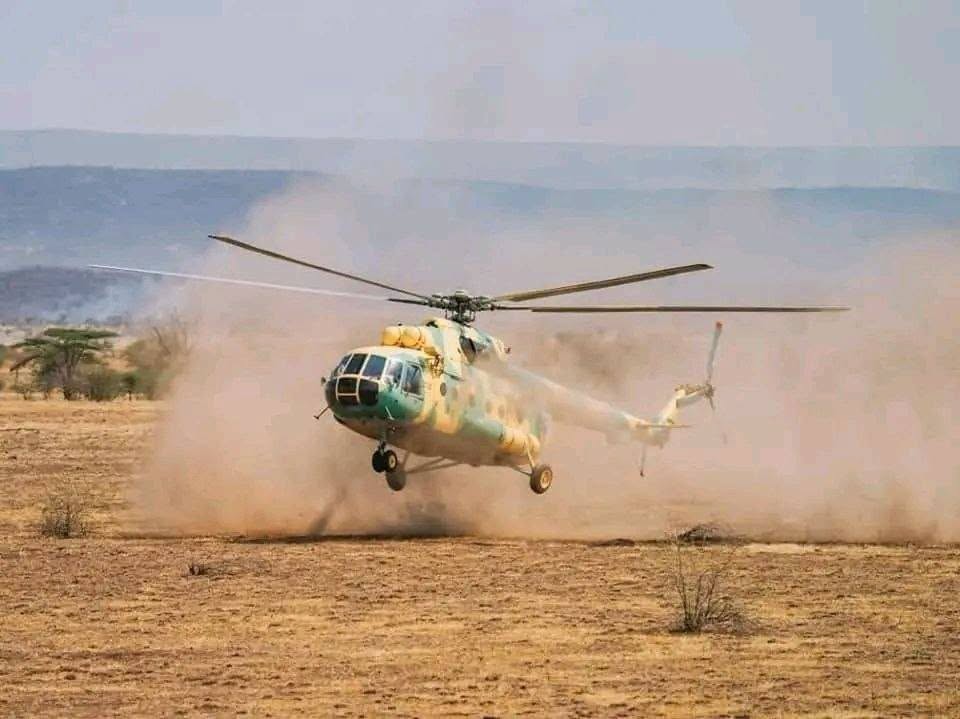
Ethiopian military officials have highlighted growing domestic capabilities in aircraft maintenance, modernization, spare-parts production and unmanned-aircraft manufacturing. The Ethiopian Air Force says it has moved from predominantly analogue systems toward a more digitally enabled force during the past six to seven years.
This could prove as strategically important as the acquisition of new platforms.
For a country operating a diverse inventory of aircraft and other military systems, long-term effectiveness depends heavily upon availability, maintenance, spare parts, trained personnel and the ability to sustain equipment independently. Developing indigenous maintenance and engineering capacity can therefore increase operational availability while reducing vulnerability to external supply disruptions.
Against this background, future Ethiopian defence procurement is likely to be shaped increasingly by capability requirements rather than platform numbers alone.
The government has publicly announced its fifth-generation Air Force ambition, but the specific future fighter type required to achieve that objective has not been publicly confirmed. Any suggestion that Ethiopia has already selected a particular fifth-generation fighter should therefore be treated as speculation unless an official contract or announcement emerges.
Nevertheless, the broader direction of procurement is becoming clearer.
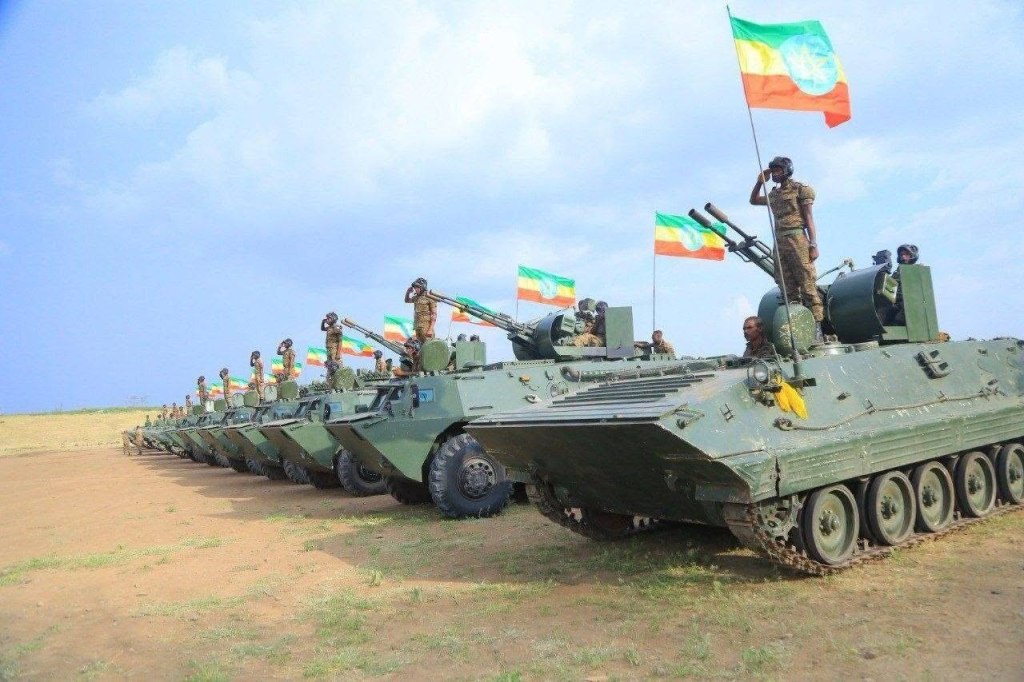
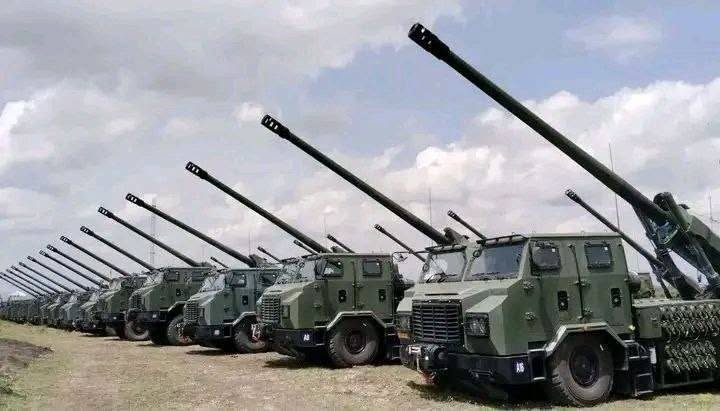
Additional combat aircraft and advanced training platforms could accompany the expansion of the Air Force, while UAVs and counter-UAS technologies are likely to remain important. Equally significant will be ground-based air defence, modern radar and surveillance networks, secure communications, electronic warfare, cyber defence and integrated command-and-control.
Future investment in intelligence, surveillance and reconnaissance (ISR) will be particularly important. Modern fighters and UAVs achieve their greatest operational value when connected to a wider network capable of detecting threats, distributing information and coordinating responses across multiple domains.
The result could be a gradual shift from the acquisition of individual weapons platforms toward the development of a more integrated defence ecosystem.
Advanced technology, however, cannot substitute for personnel.
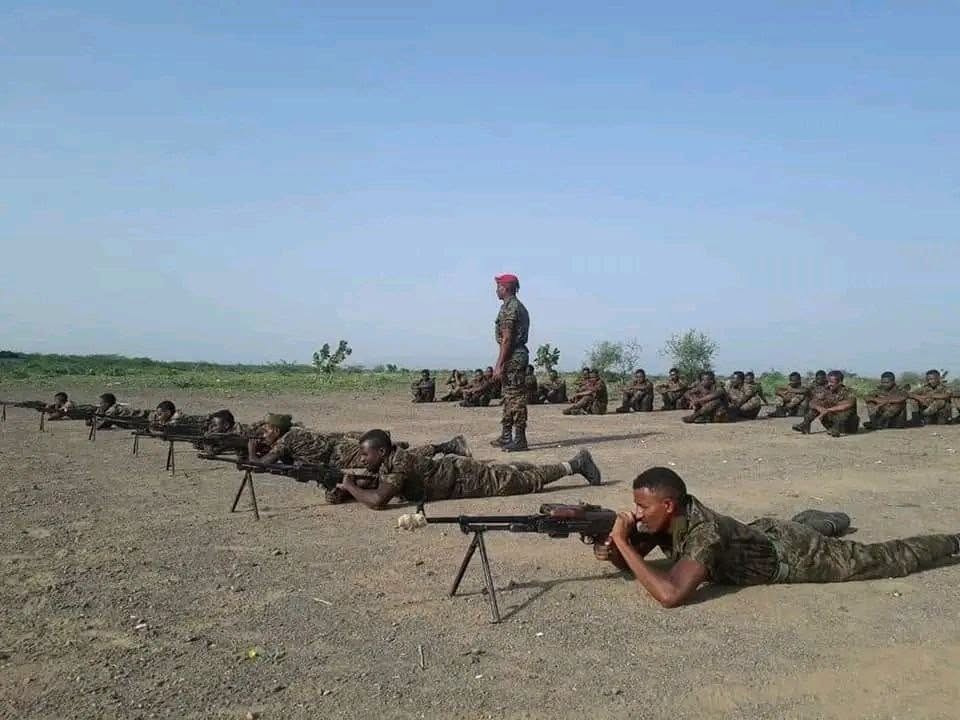
Every aircraft sortie depends upon pilots, ground crews, engineers, mission planners and command structures. Every UAV requires trained operators and analysts. Every radar or electronic-warfare system requires specialists capable of interpreting information and converting it into operational decisions.
For this reason, professional military education and specialist technical training will remain fundamental to Ethiopia’s modernization programme.
The opening of an Advanced Central Laboratory at the Ethiopian Defense University in July 2026, intended to strengthen scientific research, innovation and specialized defence training, is another indication that Ethiopia is seeking to connect military modernization with domestic scientific and educational capabilities.
The Su-27 and Su-30 therefore represent more than two generations of fighter aircraft. They illustrate a much broader story about the evolution of the Ethiopian National Defence Force.
Aircraft change. Sensors become more capable. Unmanned systems assume greater responsibilities. Artificial intelligence, cyber operations and electronic warfare increasingly enter the battlespace. But behind each technological transition remains the same requirement: transferring knowledge and responsibility from one generation to the next.
Ethiopia’s challenge over the remainder of this decade will be to bring these different elements together.
The acquisition of modern fighters or UAVs alone will not create the force envisioned for 2030. Success will depend upon integrating aircraft, air defence, ISR, communications, electronic warfare, cyber capabilities, logistics and command-and-control while simultaneously developing the personnel and domestic industrial capacity required to sustain them.
If Ethiopia succeeds in combining these elements, the next phase of ENDF modernization could be defined less by individual acquisitions and more by the emergence of a technologically integrated, increasingly self-reliant and professionally sustainable defence force.
The transition from Su-27 to Su-30, from imported capability toward domestic technological development, and from traditional military structures toward increasingly digital and networked operations provides a visible indication of that direction.
For the Ethiopian National Defence Force, the fundamental mission remains unchanged: safeguarding national sovereignty, territorial integrity and security. What is changing rapidly are the technologies, skills and capabilities through which that mission will be carried out.
The coming years—and particularly the stated 2030 modernization horizon—will therefore be decisive in determining how Ethiopia translates its long military heritage into the capabilities required for the next generation of defence.
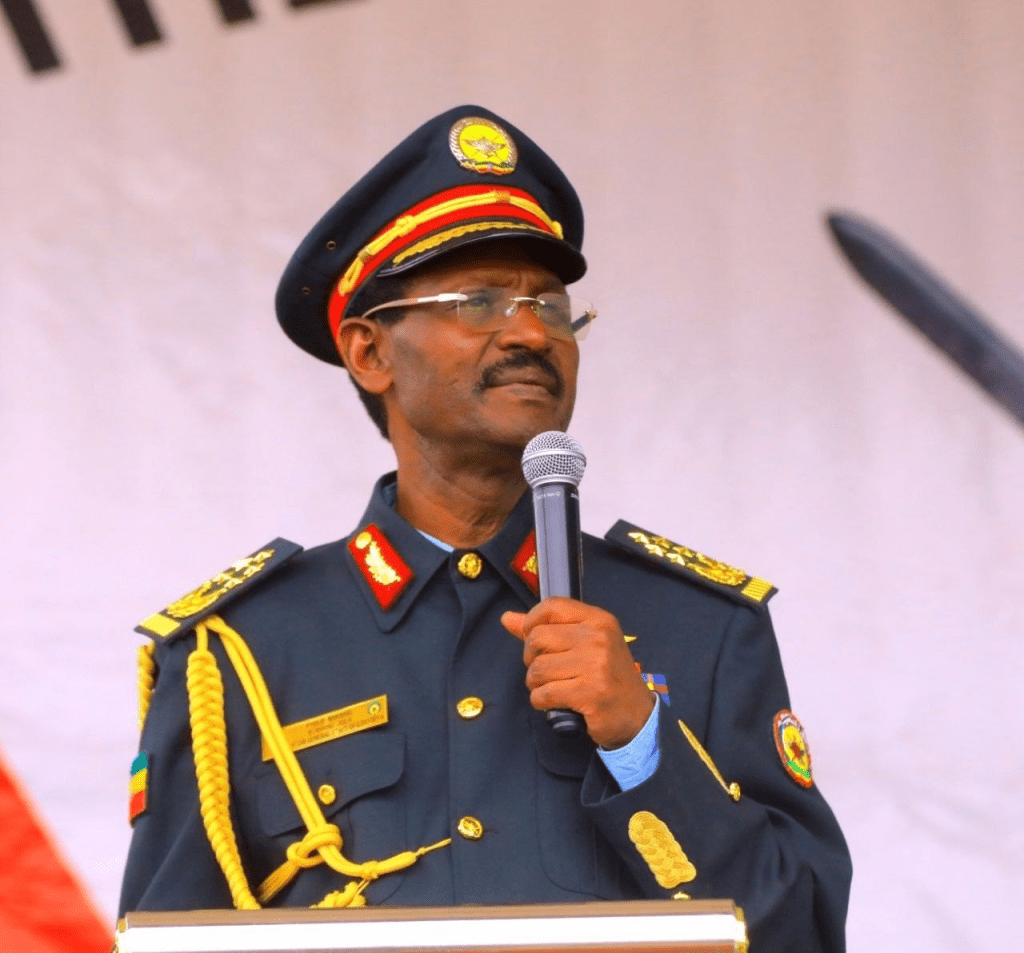
Ethiopia’s Chief of the General Staff, Field Marshal Birhanu Jula,


Leave a Reply