
2026 Copyright © Nigerian Air Force
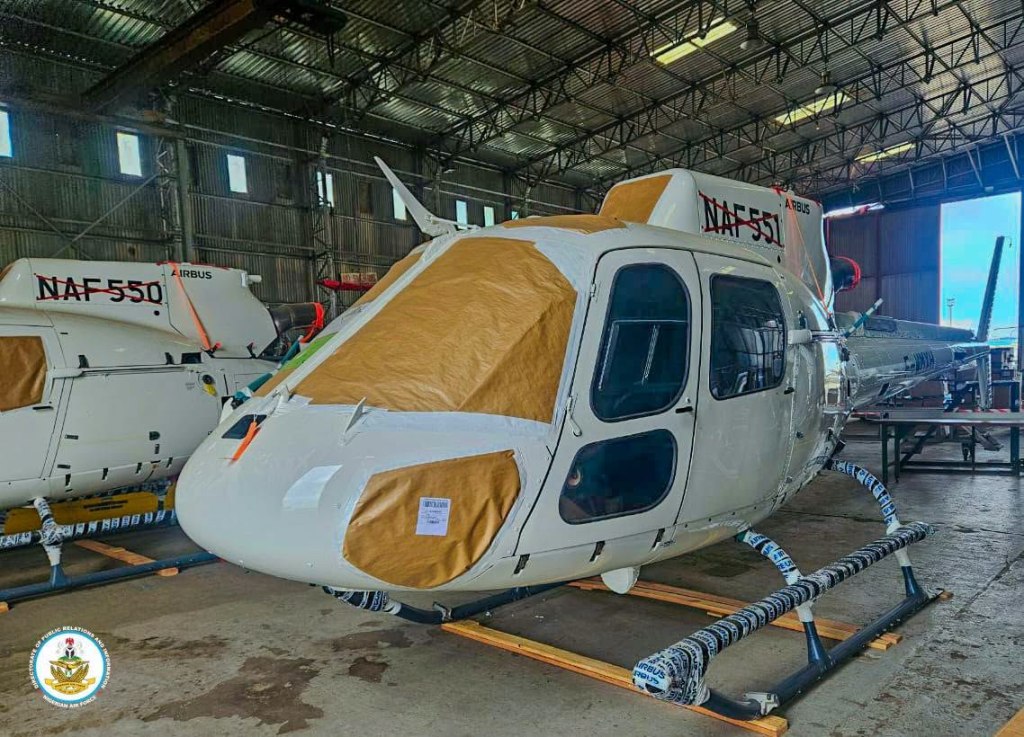
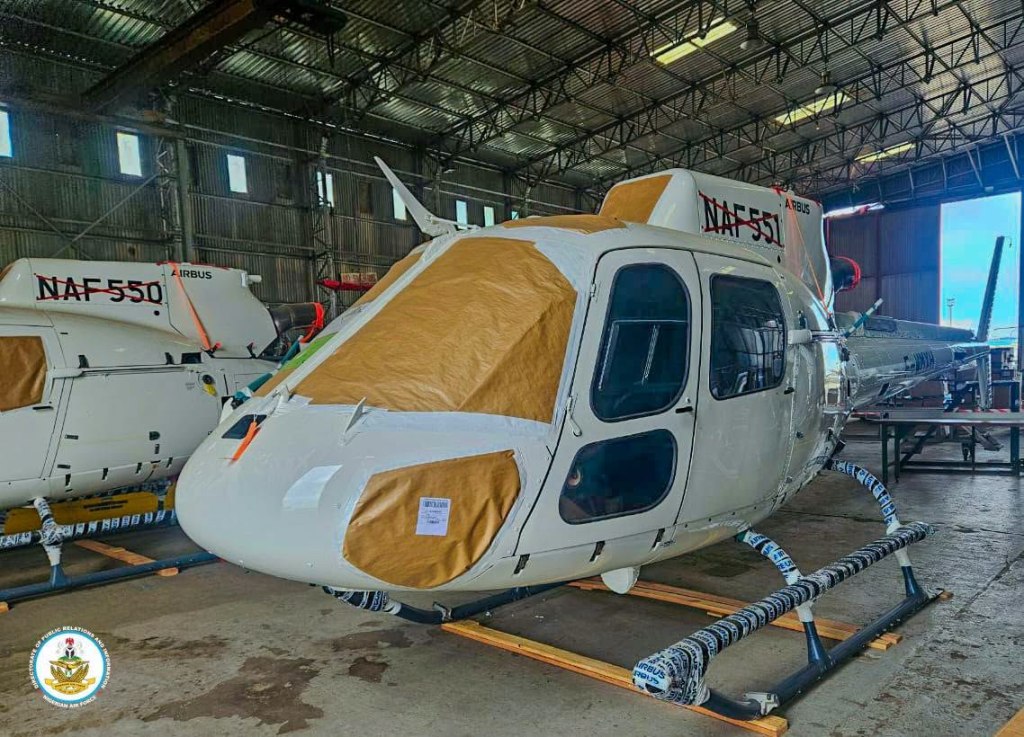
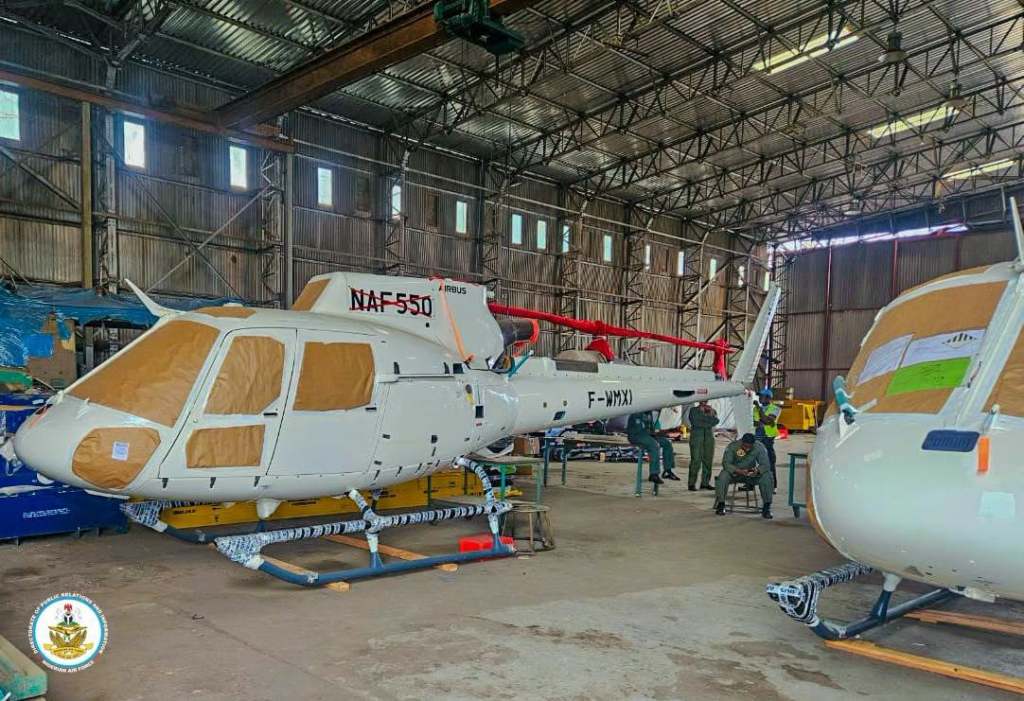
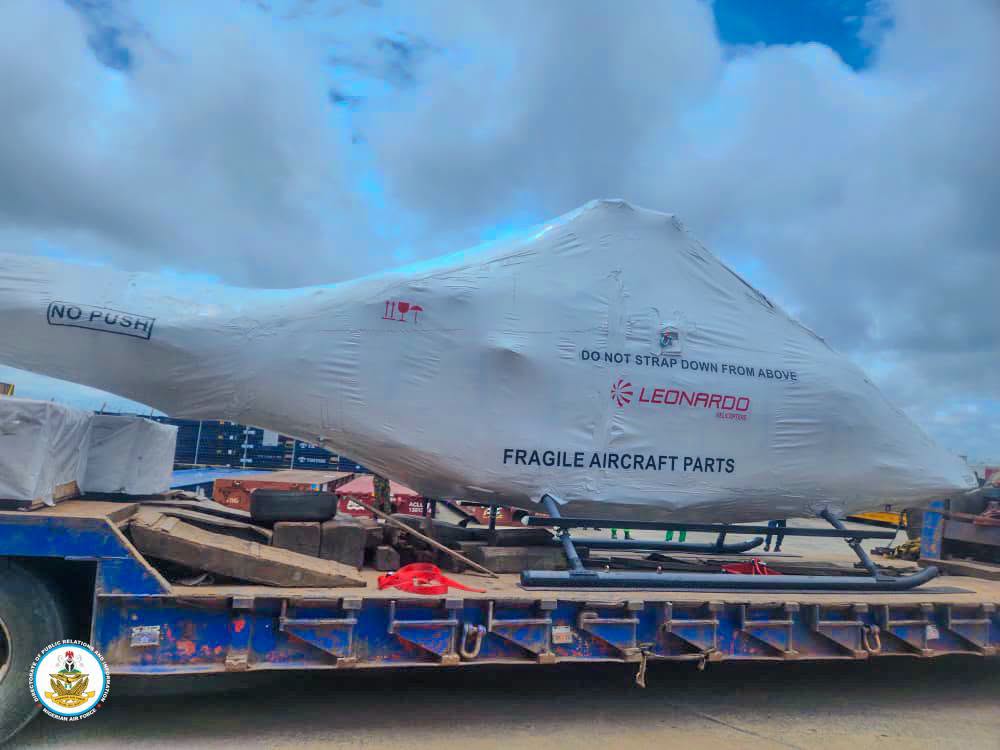
The Nigerian Air Force has taken delivery of five new helicopters as Nigeria continues a broad programme to modernise its airpower capabilities and strengthen the Armed Forces’ response to the country’s evolving security challenges. The latest additions comprise three Leonardo AW109 Trekker B helicopters and two Airbus H125 helicopters. The three AW109s arrived in Lagos on 15 September 2026, while the two H125s had been delivered earlier. The aircraft will increase the availability of rotary-wing assets and provide the NAF with greater flexibility when supporting military operations across different parts of the country.
The three AW109 Trekker B helicopters form part of a wider order for 10 aircraft acquired by the Nigerian Federal Government. The remaining seven helicopters are expected to be delivered before the end of 2026. Once the full fleet enters service, the aircraft should strengthen the NAF’s ability to conduct a range of missions, including tactical transport, reconnaissance, surveillance, liaison, medical evacuation and support for troops operating on the ground. The AW109 Trekker is a light twin-engine helicopter combining the AW109 airframe with a skid landing gear. Its design enables operations from austere locations and makes the platform suitable for military, public-service and security missions in demanding environments.
The Airbus H125 is a single-engine light helicopter known for its performance in hot and high-altitude conditions. The platform is widely used internationally for surveillance, training, transport and other specialised roles. The addition of two H125s will complement the NAF’s existing helicopter fleet and provide a relatively flexible aircraft for missions that do not require larger or more heavily equipped platforms. The simultaneous introduction of two helicopter types also reflects the Nigerian government’s effort to expand aircraft availability as the Armed Forces remain engaged in counter-insurgency, counter-terrorism and internal-security operations across several theatres.
Chief of the Air Staff Air Marshal Sunday Kelvin Aneke described the acquisition as an important milestone in the Federal Government’s continuing investment in the modernisation and re-equipment of the Nigerian Air Force. He said the five helicopters would improve asset availability and increase the Service’s responsiveness across multiple operational areas. According to Aneke, the arrival of the aircraft gives commanders greater flexibility in employing airpower to support ground forces during ongoing operations. He also expressed the NAF’s appreciation to President Bola Ahmed Tinubu for the government’s continued support for the transformation of the Service.
The delivery is part of a wider effort to replace ageing platforms, improve fleet serviceability and expand the range of missions that can be undertaken by the Nigerian Air Force. Increasing the number of available helicopters is particularly important for operations in remote areas where difficult terrain, poor road infrastructure and the need for rapid deployment can limit the effectiveness of ground units. Rotary-wing aircraft can provide essential mobility, transport personnel and supplies, evacuate casualties and conduct surveillance close to operational areas.
The arrival of the five helicopters therefore represents more than a numerical increase in the NAF inventory. It expands the range of aircraft available to operational commanders and could reduce pressure on existing fleets that have been heavily employed in recent years. The effectiveness of the acquisition, however, will also depend on sustained investment in pilot and technician training, maintenance facilities, spare parts and logistical support. With another seven AW109 Trekker B helicopters scheduled for delivery before the end of 2026, the Nigerian Air Force is expected to achieve a further increase in rotary-wing capacity over the coming months.
 DBDC INTERNATIONAL DEFENCE PUBLICATIONS & EVENTS UK LTD
Leave a comment