
Copyright © 2026 – Armscor Dockyard
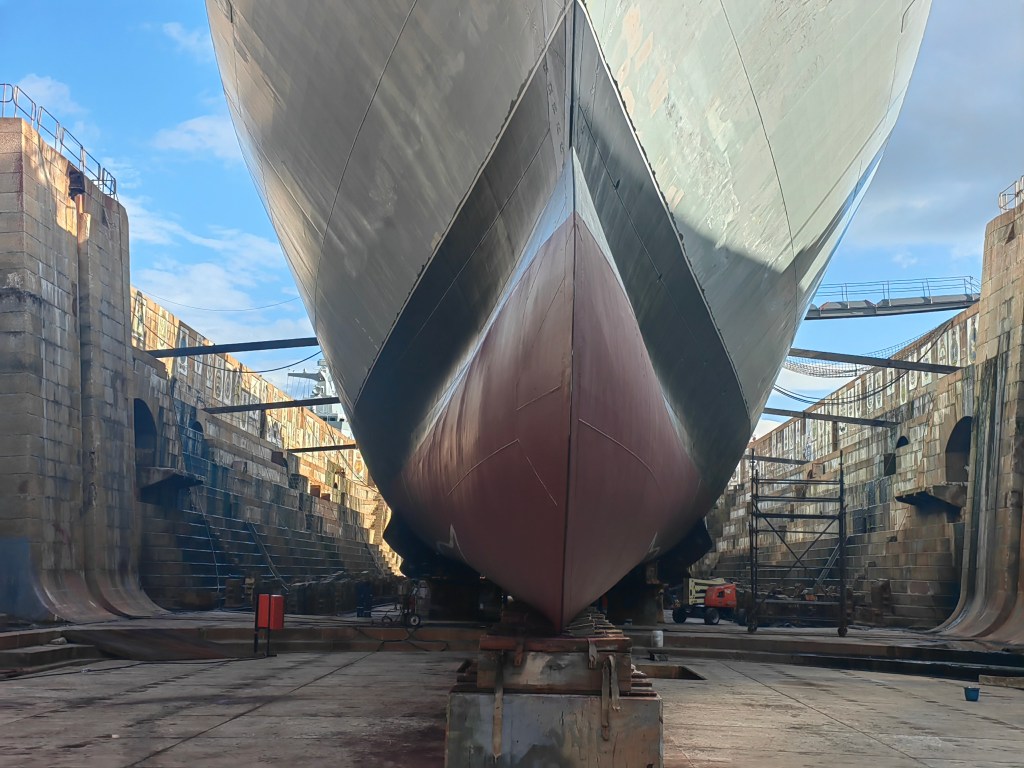
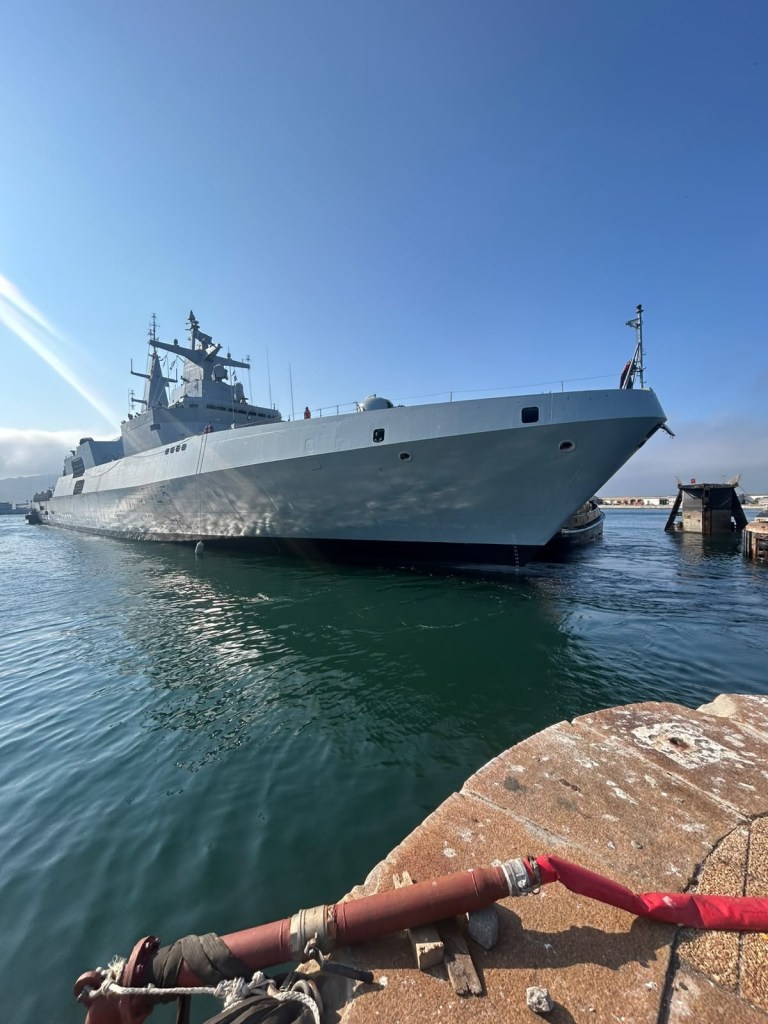
Urgent repairs to SAS Amatola have highlighted the importance of responsive maintenance in sustaining South Africa’s naval capability. Armscor Dockyard, working with the South African Navy, completed an emergency dry-docking programme in approximately three weeks after defects were identified on the vessel’s underwater hull. The intervention addressed maintenance requirements that needed to be resolved before the ship could safely return to sea. Beyond the immediate repair work, the project offers an example of how coordination between a naval operator and its maintenance organisation can shorten a turnaround while keeping engineering requirements central to the process.
The underwater hull is fundamental to a vessel’s seaworthiness, providing structural integrity while remaining continuously exposed to a demanding marine environment. Defects in this area require careful assessment and appropriate repairs, alongside measures to protect the surfaces against further deterioration. On SAS Amatola, the maintenance programme included the identified repairs, surface preparation and restoration of the marine coating system. Together, these activities were intended to preserve the hull’s integrity and support the vessel’s continued operational availability. Their completion represents an important maintenance milestone, although sustained readiness also depends on the condition and support of the ship’s other systems.
The three-week turnaround placed particular emphasis on engineering expertise, disciplined project management and a clear understanding of the Navy’s operational requirement. Urgent docking work requires the maintenance team and vessel operator to align priorities, organise resources and manage the sequence of activities within a compressed schedule. Armscor Chief Executive Officer Advocate Solomzi Mbada attributed the outcome to technical capability, collaboration and focused execution. He described the project as evidence of the organisation’s efforts to improve its responsiveness to the Navy, linking the maintenance result to the broader question of how effectively Armscor delivers support to its defence clients.
For Armscor, the experience also provides lessons for handling future urgent maintenance demands. Mbada identified coordination between the Dockyard, the South African Navy and industry partners, together with clear accountability, as elements to carry forward. The significance of this approach extends beyond one vessel: maintenance organisations must accommodate scheduled work while retaining the capacity to respond when unexpected defects disrupt operational plans. Applying the lessons from SAS Amatola could help improve the organisation and execution of similar interventions. The practical value will lie in translating this experience into consistent performance across subsequent projects, with appropriate technical oversight and reliable delivery.
The project therefore draws attention to the connection between dockyard performance and fleet availability. Ships require continuing maintenance throughout their service lives, and timely interventions help prevent identified defects from becoming prolonged constraints on operations. Armscor Dockyard’s role includes supporting the restoration and sustainment of the South African Navy’s fleet through maintenance and cooperation with relevant service providers. SAS Amatola’s urgent docking demonstrates the contribution that concentrated engineering work can make to that effort. It also establishes a useful reference for future maintenance planning, particularly where the Navy needs a rapid response that preserves the standards required for safe operations and supports the wider availability of its maritime assets.


Leave a comment